
Farnborough International Airshow: Understanding the Evolving Global Security Landscape
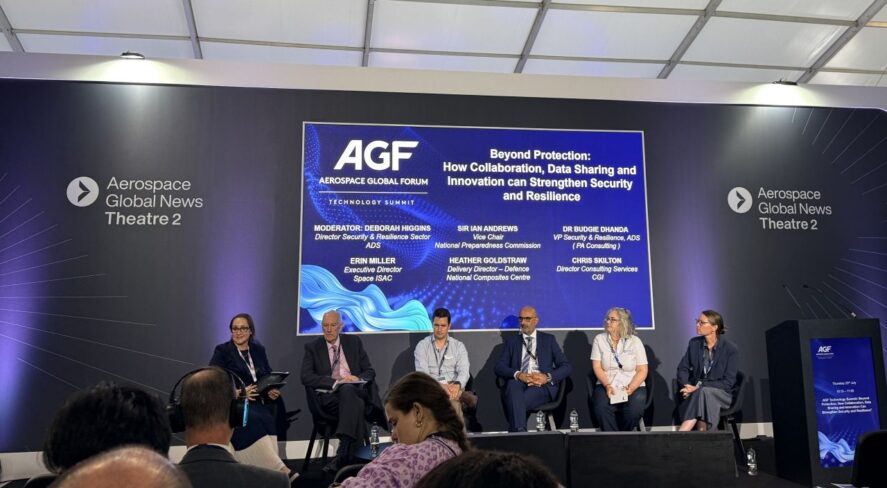
The global security landscape is undergoing a profound transformation. Today’s threats are no longer confined by geography, industry, or discipline. Cyberattacks can disrupt physical infrastructure, geopolitical tensions can reshape supply chains overnight, artificial intelligence is accelerating both innovation and adversarial capabilities and vulnerabilities within a single supplier can cascade across critical industries and allied nations. Security professionals are operating in an environment defined by uncertainty, complexity and interdependence.
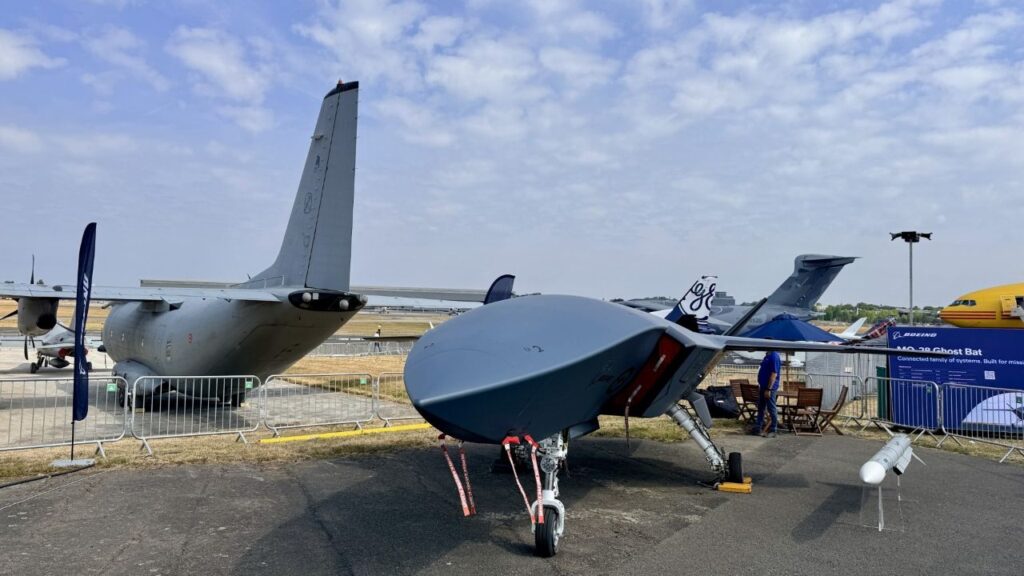
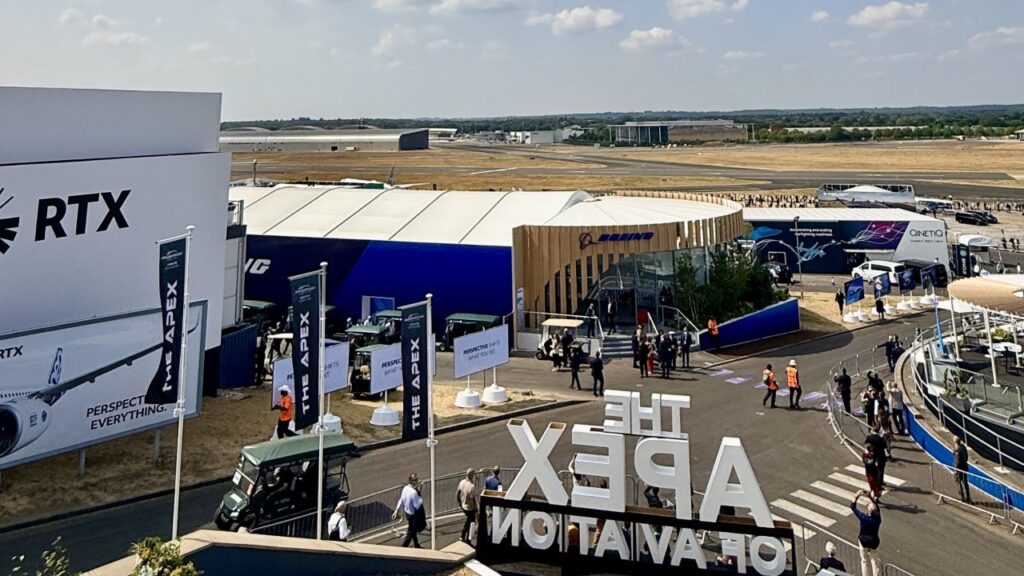
These realities were at the forefront of conversations throughout the Farnborough International Airshow in Farnborough, England. While Farnborough is best known as one of the world’s leading aerospace events, it has become much more than a showcase for aircraft and emerging technologies. It is a strategic forum where governments, manufacturers, technology innovators, critical infrastructure operators and security leaders come together to better understand the forces shaping the future of global security.

Several themes emerged consistently throughout discussions at the show:
The convergence of physical and cyber threats is redefining security. Organizations can no longer view physical security, cybersecurity, supply chain security, and operational resilience as separate disciplines. Digital attacks increasingly produce physical consequences, while disruptions to manufacturing, logistics and critical infrastructure can have immediate cyber and economic impacts. Building resilience requires integrated strategies that recognize these risks as interconnected rather than independent.
Resilience has become the defining measure of security. Whether facing cyberattacks, geopolitical instability, natural disasters or supply chain disruptions, disruption is inevitable and the organizations best positioned for success will be those that can anticipate, withstand, respond to, recover from and adapt to rapidly changing conditions. Resilience is no longer a supporting function but is a strategic capability and should be a long-term business objective.
Supply chain security is a global and domestic security issue. The technologies that protect critical infrastructure, transportation systems, defense capabilities and commercial enterprises are developed through globally connected ecosystems of manufacturers, software developers, systems integrators, logistics providers and specialized suppliers. As geopolitical competition and challenges intensify, strengthening trusted supply chains, diversifying critical manufacturing and reducing strategic dependencies have become essential not only for economic competitiveness but for homeland and national security.
Collaboration is no longer optional; it is a strategic necessity. No single government, company or technology provider possesses all the expertise required to address today’s rapidly evolving threat landscape. Industry and government partnerships, international cooperation and cross-sector collaboration enable organizations to exchange threat intelligence, share operational best practices, coordinate responses and accelerate innovation. The conversations at Farnborough reinforced that resilience is built through trusted relationships established long before a crisis occurs.
Technology alone will not solve tomorrow’s security challenges. Artificial intelligence, automation, advanced analytics, autonomous systems and next-generation security technologies will undoubtedly transform how organizations identify and respond to risk. Yet these capabilities are most effective when paired with strong governance, interoperable systems, operational planning, and collaborative partnerships. The future of security depends as much on people and cooperation as it does on technology.

For the Security Industry Association (SIA), these discussions reinforced the important role that industry associations play within the global security ecosystem. SIA serves as a catalyst for bringing together manufacturers, technology providers, government stakeholders, asset owners and end users to exchange knowledge, identify emerging trends, and develop solutions to challenges that no single organization can solve independently.
International engagement is about far more than expanding into new markets, but is about helping members understand evolving geopolitical dynamics, anticipate regulatory changes, strengthen relationships with trusted partners, and better position themselves to navigate an increasingly interconnected world. Events like Farnborough create opportunities to transform conversations into collaboration, collaboration into innovation and innovation into greater resilience for the whole global security industry.
One message resonated throughout the week: the future of global security will not be built in isolation. As risks continue to converge, success will depend on partnerships, resilient supply chains, and collaboration between industry and government. Organizations that embrace this reality, investing not only in technology but also in global relationships, will be best positioned to navigate the challenges ahead.
Farnborough served as a reminder that resilience is ultimately collective. In an increasingly interconnected world, strengthening the partnerships that underpin our global security ecosystem may be the most important investment we can make.
 Back to Top