
What Seven Tables at SNG Told Us About an Industry in Transition
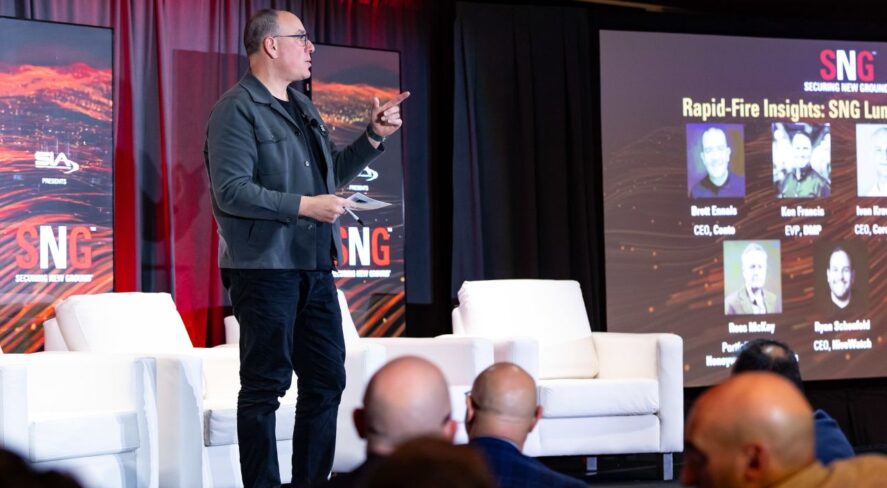
This was the third year of the SNG Roundtable Luncheon at Securing New Ground (SNG) put on by Security Industry Association (SIA), and something happened that I haven’t seen in three years of running this format (and likely ever at SNG).
If you haven’t been, here is how the roundtables work. They happen over lunch. They started as a simple way to facilitate conversation over lunch, and they’ve become a fun, proactive and productive part of SNG. It brings the entire room into the conversation on stage. It is also the only on-stage discussion with 100% zero prep. We pick a topic and a table moderator; attendees grab food, sit down and talk. The moderator collects the conversation, then joins me live on stage, where I ask two questions: how was it, and what was one takeaway? I respond with a follow-on, and that’s it. That’s an hour and a half of conversation and a five-minute recap on stage with each moderator. Fast, fun and productive.
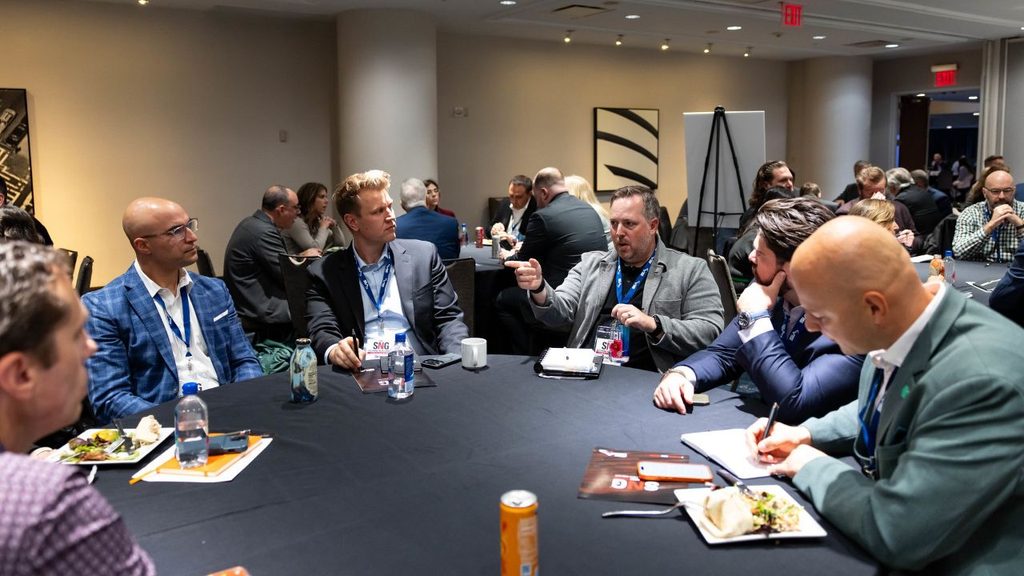
This year, without prompting, table host after table host came on stage and pointed out the same thing: their table mixed manufacturers, end users, specifiers and integrators, and that mix made the conversation richer. Nobody coordinated that (SIA 💯 facilitated it by focusing on getting more types to attend). It just kept coming up presenter by presenter without prompting them. The tables were also packed, which tells you people came for the conversation and not just the lunch.
Here is what each table told us on stage.
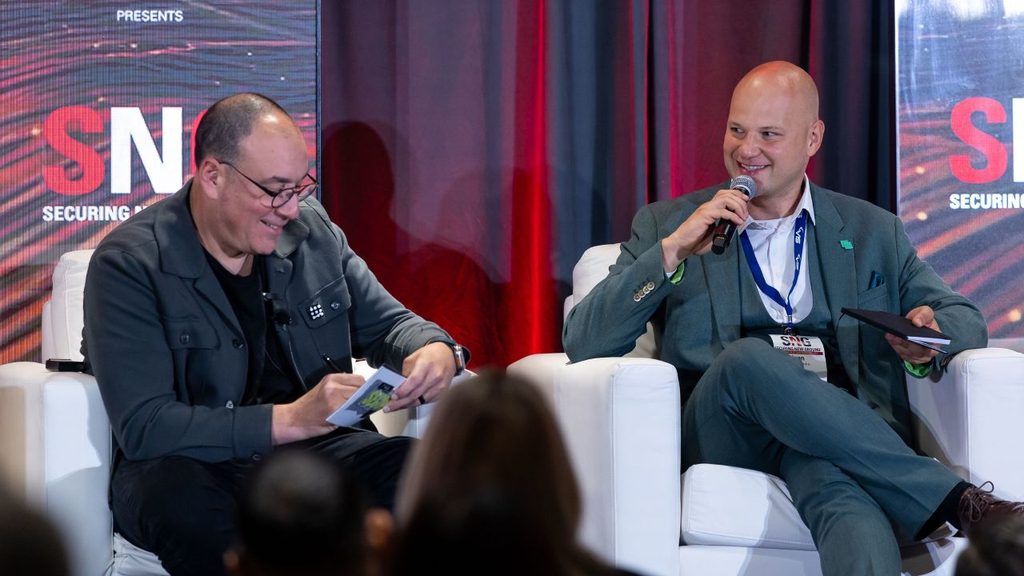
Ivan Kravchenko of CoreWillSoft opened with integrations, and the table participants agreed with the title’s premise: integrations are products now. Artificial intelligence doesn’t replace integrations; it simplifies them. End users now expect APIs as a given. The harder truth is that integrations are a cost center for everyone, and who builds, maintains and pays for them depends on whether you are talking about enterprise or small or medium-sized business. You have to get into those nuances to answer honestly.
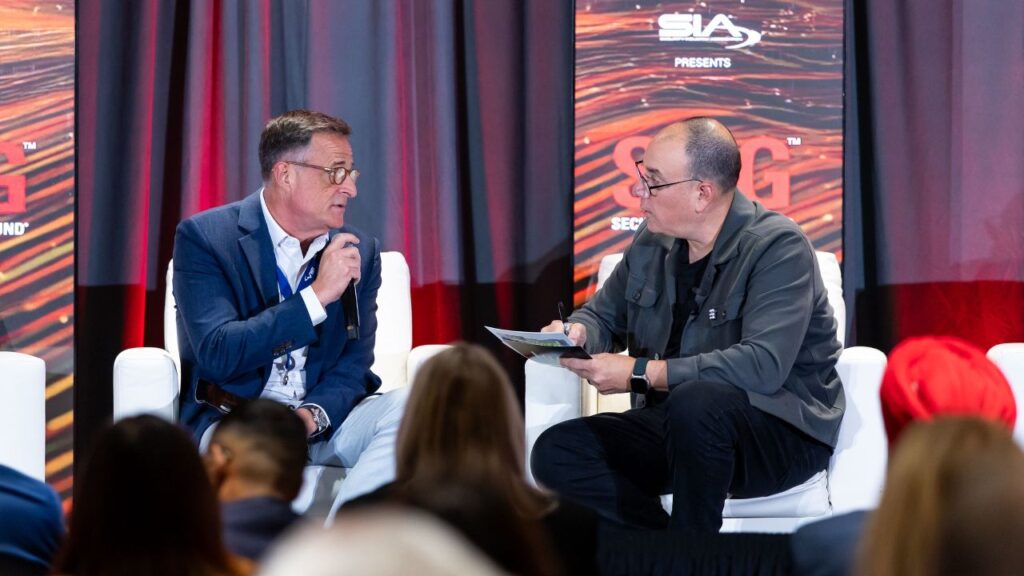
Jason Slocum of i2G Systems took on hyperscale data centers and gave us one of the day’s best lines: “If the data center gets a cough, we can get a cold.” Diversification matters. The data center build-out is also straining labor in every other sector, a second-order effect that not enough people are talking about. Partners matter more than ever, and at its core, this is an infrastructure conversation.
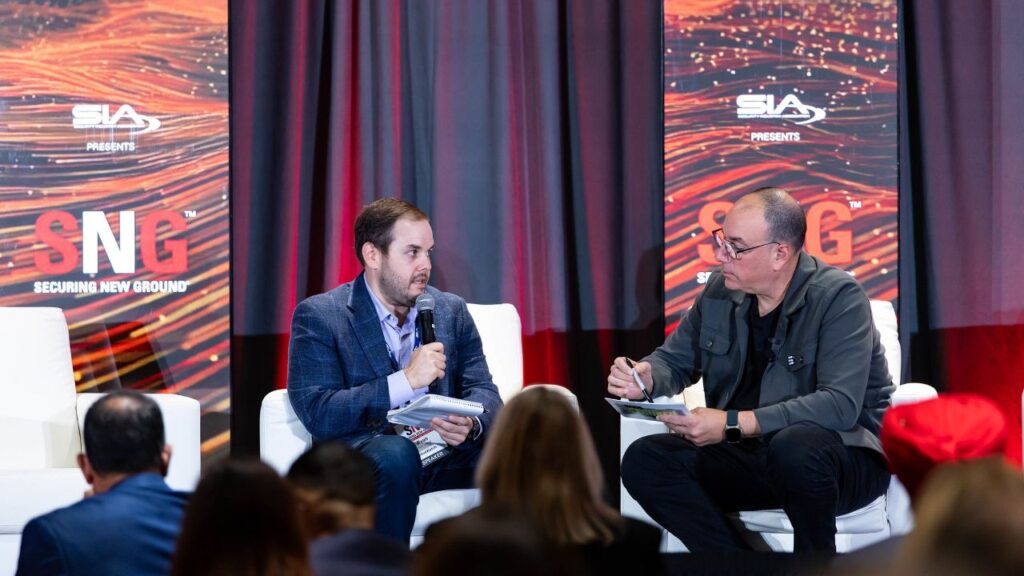
Ryan Schonfeld of HiveWatch led a table that started by rejecting its own topic. The biggest takeaway was that GSOC is a terrible label for what we are actually describing. Most GSOCs aren’t truly global, so the G doesn’t hold up, and too many of them operate as what the table called an “alarm chasing center.” “Fusion center” is a better name for where this needs to go, and IMO the name matters because it reflects the shift from reacting to alarms to fusing intelligence.
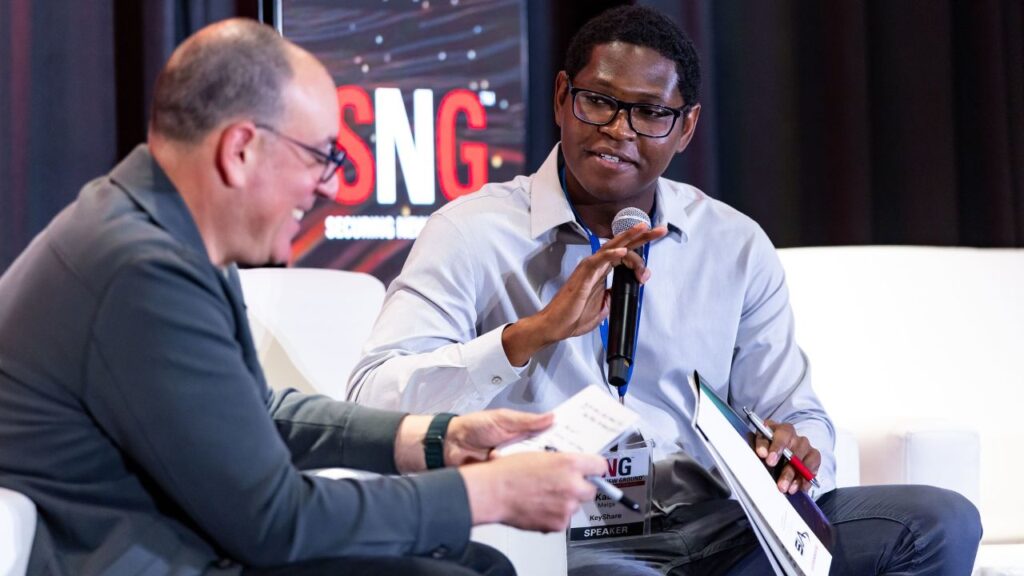
Kabir Maiga of KeyShare by PassiveBolt put a timeline on mobile identity. We are roughly five years away from bringing your digital identity to the door, and that identity is your government-issued driver’s license or ID. This is an infrastructure question; it is going to happen, and we need far more conversations so we can work it out together. (If you read my Briefs, you know where my head goes here… whoever owns the identity database owns the future of this industry, and a government-issued credential at the door changes that conversation…a lot.)
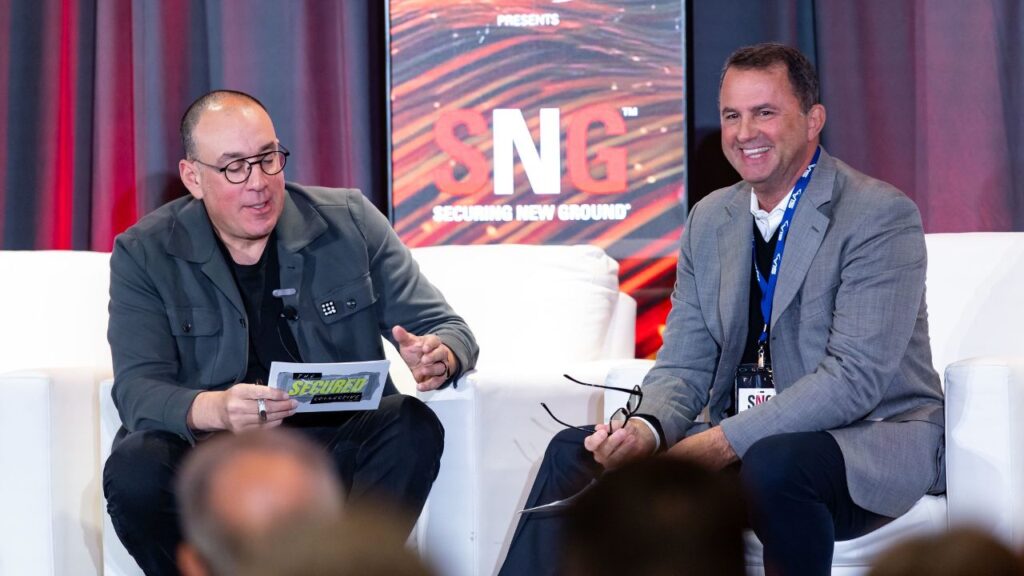
Ken Francis of Digital Monitoring Products asked whether proactive video monitoring competes with alarm monitoring. The answer was no; it complements it. The real answer depends on your time horizon, and the table made it clear we need to talk about it now because the shift is inevitable.
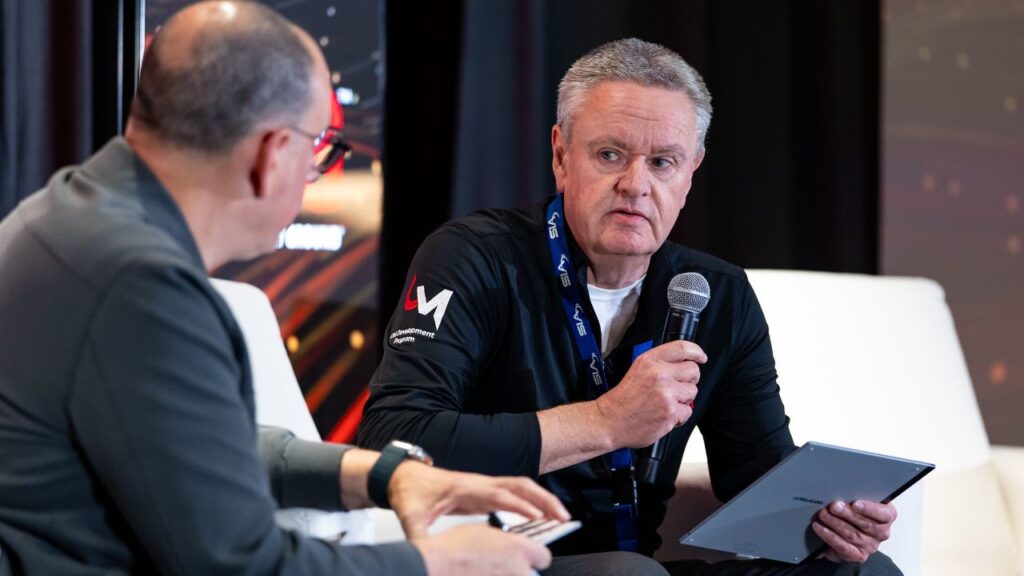
Ross McKay of Honeywell Technologies Building Automatoin/LenelS2 asked whether enterprise customers can ever fully move to the cloud. The answer was yes, and it is happening today, but the destination is hybrid. The definition of “enterprise” is itself changing, so right now the answer depends on who you are talking about… but eventually everyone gets there.
So, what ties it all together?
Every table described the same thing from a different angle: a transition. Change is clearly happening, and it is creating real tension about what to do. Everyone has an opinion. Everyone says “AI.” Some have a strategy, some are figuring it out, and some are in denial. Notice how many answers came back as “it depends” (on enterprise vs SMB, on time horizon, on who you call enterprise), followed by “but it’s inevitable.” The industry largely agrees on where this ends up and is debating timing and who gets there first. What was clear is that we are changing.
Which brings me to the last table, which we saved for the end on purpose.
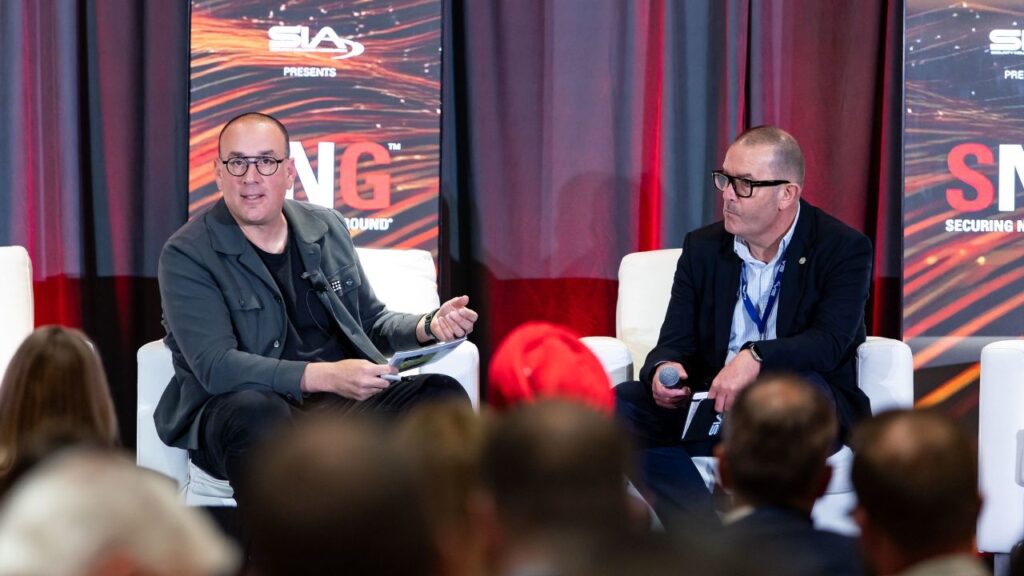
Brett Ennals of Cento asked whether we are hiring for the future or just filling a gap. More companies focus on technical talent than business talent; the shortage is massive, and finding talent has become a full-time job. When I asked if it will ever be solved, the answer was no. The call was to flip the industry’s origin story from “we fell into it” to people actively seeking to be part of it.
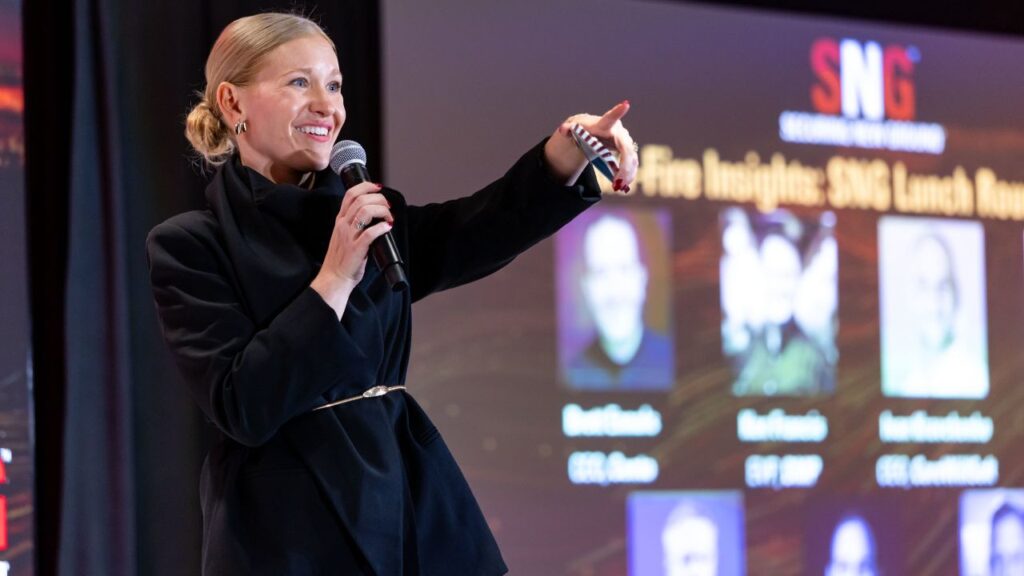
Then Hilary Gallagher, my business partner and a Foundation for Advancing Security Talent (FAST) board member, closed the session with a project FAST underwrote: a commercial for the mainstream market that showcases the security industry. Its call to action is “Step into Security.” It shows the value this industry creates, and the ask is simple. When it is released publicly, please take it, share it, and help spread the word. No one else will do it for us. There are no better angels coming.
When I ask a room to raise their hand if they wanted to be in security versus fell into it, no hands go up, and everyone laughs. Maybe one day I’ll ask that question and see nothing but hands.
We have work to do. This is a start. Join us.
Finally, it is an honor to play a very small role in this event. SNG brings together North American manufacturer leadership, a growing list of global manufacturers, end-user practitioners and integrators. There’s really nothing like it. Well done to Don Erickson, Geoff Kohl and the entire SIA team. Also, kudos to my fellow and former SIA board members, who show up strong for this event and are super active throughout.
This blog originally appeared on Lee Odess’ LinkedIn.
The views and opinions expressed in guest posts and/or profiles are those of the authors or sources and do not necessarily reflect the official policy or position of the Security Industry Association.
 Back to Top