
SIA New Member Profile: PoEWit Technologies
New Security Industry Association (SIA) member PoEWit Technologies’ software-defined power over ethernet (PoE) lighting platform turns lighting already present in a building into an active deterrence layer. The company is headquartered in Fort Lauderdale, Florida, and sells through security dealers and integrators across North and South America.
SIA spoke with Victor Pak, co-founder and co-CEO of PoEWit Technologies, about the company, the security industry and working with SIA.
Tell us the story of your company.
Victor Pak: In 2003 I founded Pakedge Device & Systems, and together with custom integrators we created the networking category for the integration industry. CE Pro ranked Pakedge the No. 1 networking brand in its CE Pro 100 Brand Analysis every year from 2010 until Control4 acquired the company in 2016. Watching dealers turn networking from a sideline into one of their largest revenue categories taught me what a new category looks like at the moment it starts.
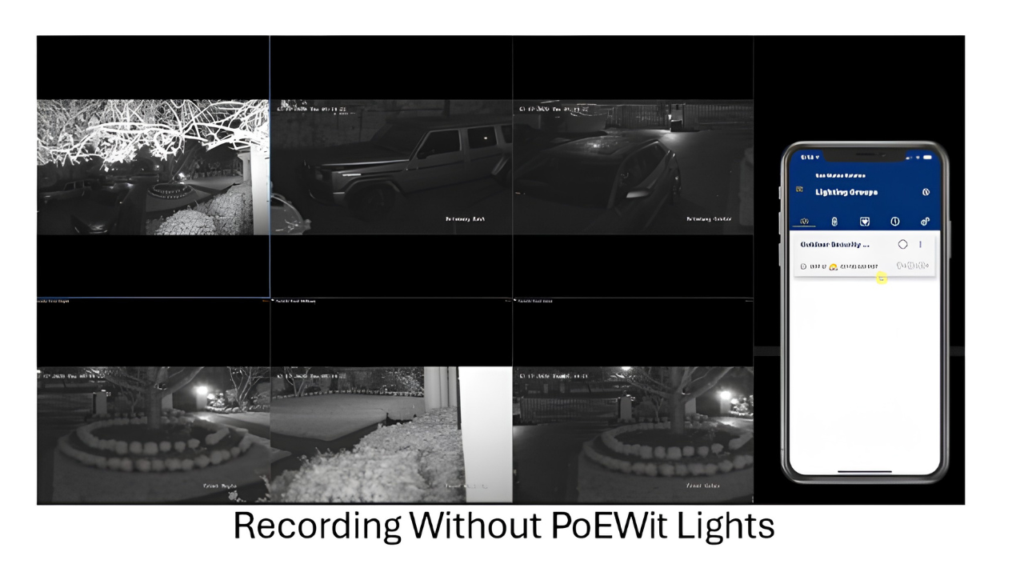
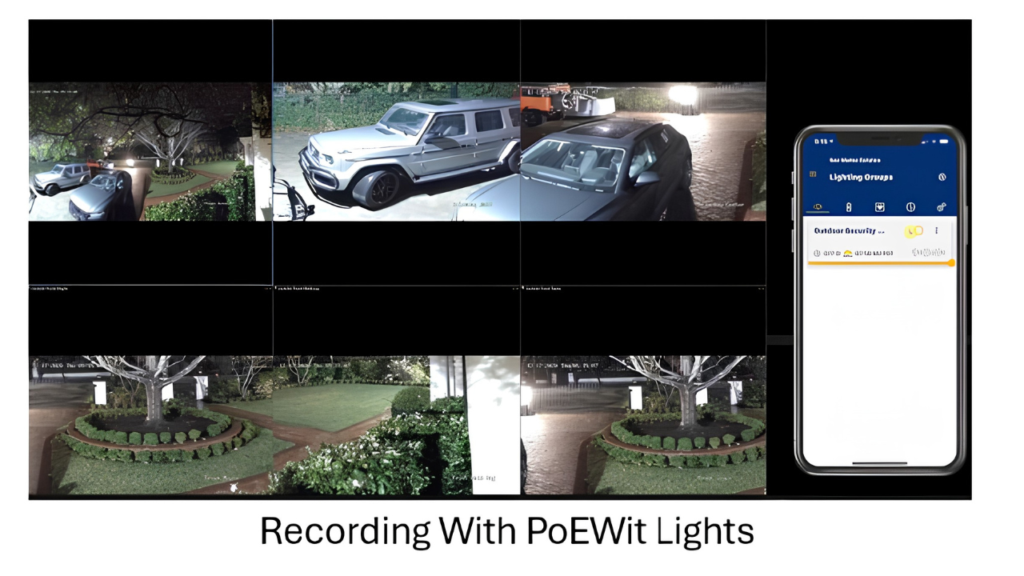
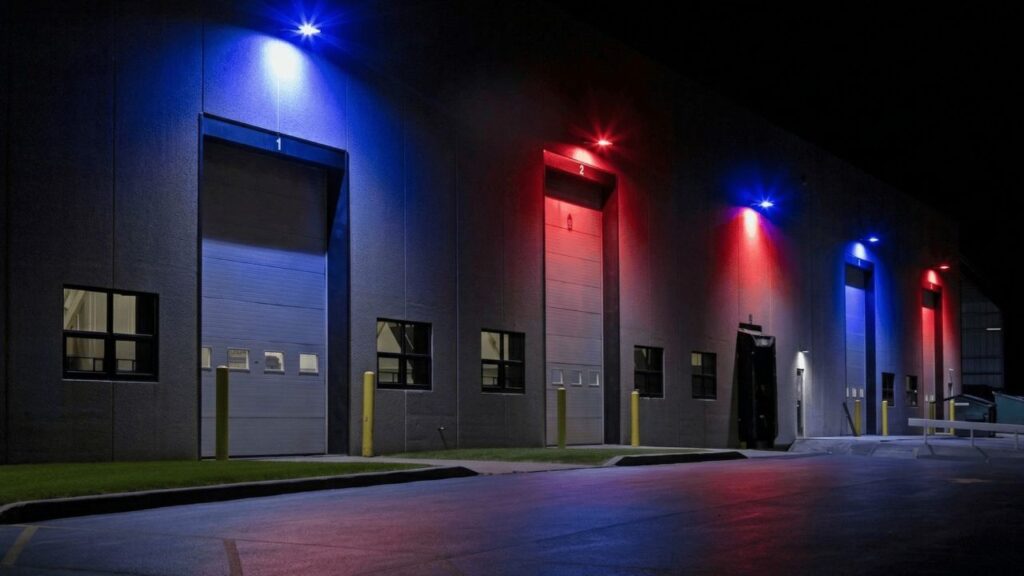
The idea for PoE lighting had been with me for years, even before Pakedge sold. If a single Cat cable could carry power and data to a camera or an access point, it could do the same for every light fixture in a building, and lighting is the largest device count on any property. We officially co-founded PoEWit in January 2019 to build that idea into a category we call adaptive lighting: PoE-powered fixtures that serve as beautiful everyday lighting and transform into active security the moment something happens. A camera detects an intruder and the lights snap to full, flash, or change color. The industry has spent two decades perfecting detection; the property itself never responds. We close that gap. Cameras detect. Lights deter.
What solutions/services does your business offer in the security industry? And what makes your offerings/company unique?
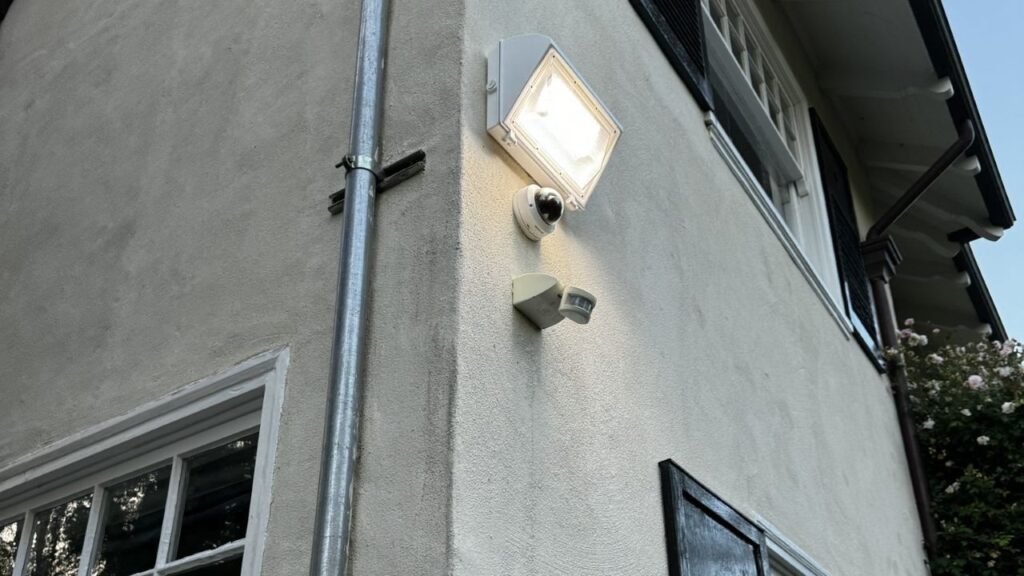
VP: We make cloud-controlled PoE lighting and the response infrastructure around it. Every fixture powers and communicates over a single Cat cable: recessed lighting, drop-ceiling panels for commercial spaces, high-output outdoor wall packs and drivers that bring standard low-voltage landscape lighting into the same system. Because everything is low voltage, security dealers and integrators install it with the techs and skills they already have, and the lighting revenue stays on their invoice instead of an electrical contractor’s.
What makes us different is the trigger architecture. We integrate natively with Verkada, Rhombus, Avigilon Alta and Eagle Eye on the camera side and Control4, Crestron and URC on the automation side, and our IP-1 trigger reads any dry contact or voltage output, so alarm panels, access control, gate operators and sensors can all fire the lights with no middleware. We like to say we don’t really make lighting: we make programmable response infrastructure that happens to also be lighting. Detection becomes deterrence, and the same fixtures do double duty as the everyday lighting the customer lives with.
What is something we might not know about your company—or something new you are doing in security?
VP: The lighting attach is often the biggest line item on the job. A typical property carries far more light fixtures than cameras, and our dealers are finding the lighting line can earn more per install than the cameras themselves, on projects they were already winning. For the security channel, which has watched detection hardware commoditize, that is a new revenue category hiding in plain sight.
As for what’s new: you can see the platform live this fall. We were at GSX in September, and in November we will be at SchoolSafe2026, sharing a booth with Rhombus, because no one else has a camera solution with lights as deterrence, all on the same cable. We are also expanding our integration lineup and have automatic circadian lighting in beta.
What is your company’s vision, and what are your goals for the security industry?
VP: Our vision is that every security system should respond, not just record. Today the industry sells evidence: the camera saw it, the recording proves it. We want the property itself to react in the moment, and lighting is the most natural response layer because it is already everywhere, on every building, inside and out. Our goals for the industry are to make “What happens when the camera sees something?” a standard line item on every proposal and to put that revenue in the hands of the dealers and integrators who install the systems.
What do you think are the biggest opportunities in the security industry right now?
VP: The dealers. I have spent more than 20 years building products for the integration channel, and the best part has always been watching a dealer take a new category and build a business on it. I saw it happen with networking at Pakedge, and I am seeing the same early energy now when a security dealer realizes the gate operator or camera platform they installed last year can suddenly light up a whole property. The security industry is full of practical, hands-on businesspeople, and building for them is the most rewarding work I know.
What do you enjoy most about being at your company—and in the security industry?
VP: What we enjoy most is working as part of a team that brings together different backgrounds, skills, and perspectives. Because BluOcean operates across the Asia-Pacific, we are constantly learning more colleagues and clients, whether it’s about business culture, local expectations or best practices.
There is also a strong sense of purpose in the security industry. Our work contributes to protecting organizations, the people with them and the communities they serve. Being able to solve practical challenges for people makes the work more meaningful.
What does SIA offer that is most important to you/your company? And what do you most hope to get out of your membership with SIA?
VP: We started with PoE lighting for security, and that need keeps growing. The industry has always been good at detection, but there has been almost nothing around automated deterrence, and closing that gap is why we joined SIA. Watching how dealers actually use our products has shown us there is a mission here, especially around schools, where our lights as deterrence are making a real difference. SIA connects us to the community that can carry that mission furthest: the integrators, technology partners and educators shaping where security goes next. What we hope to get from membership is simple: help make automated deterrence part of the standard security conversation and learn from the people who install and live with these systems every day.
How does your organization engage with SIA? What are your plans for involvement in the next year?
VP: ISC West is becoming our biggest event of the year. What amazes us there is how fast it clicks: once people see lighting tied into security cameras, they want to adopt it right away, because it is a gap they have been looking to fill. We plan to keep deepening our involvement with SIA’s education and community programs as adaptive lighting grows in the channel.
The views and opinions expressed in guest posts and/or profiles are those of the authors or sources and do not necessarily reflect the official policy or position of the Security Industry Association.
 Back to Top