
SIA New Member Profile: Fortifye
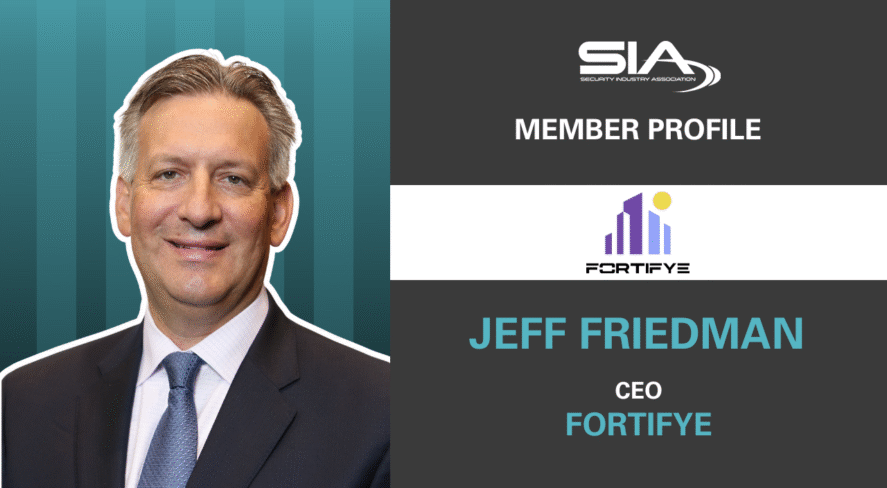
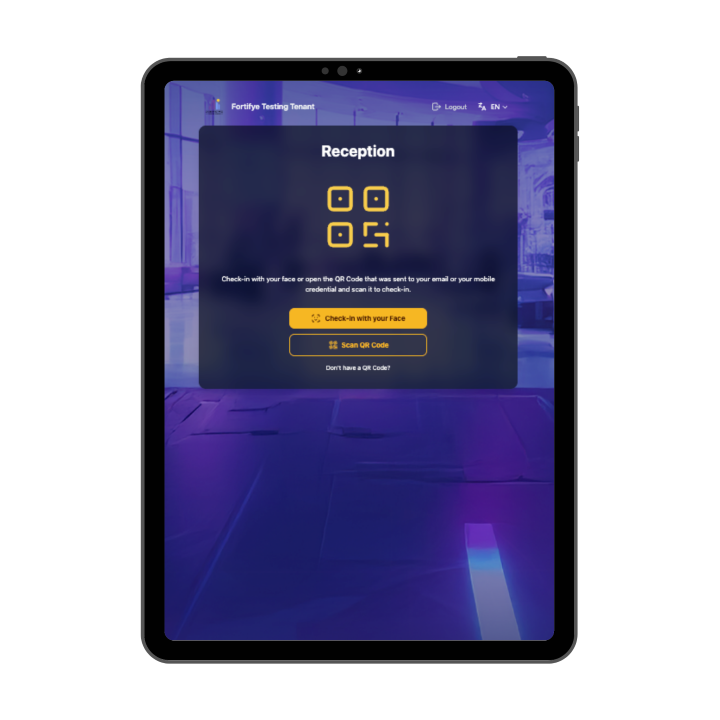
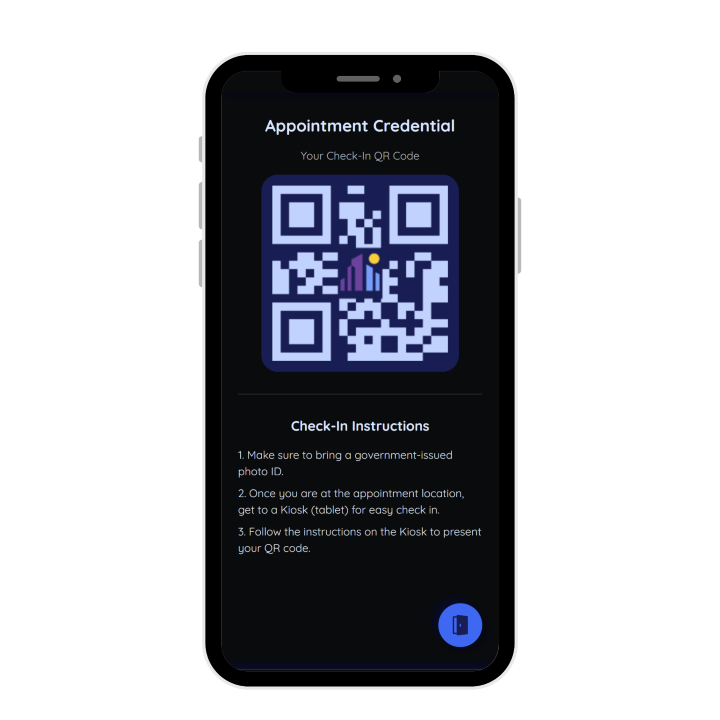
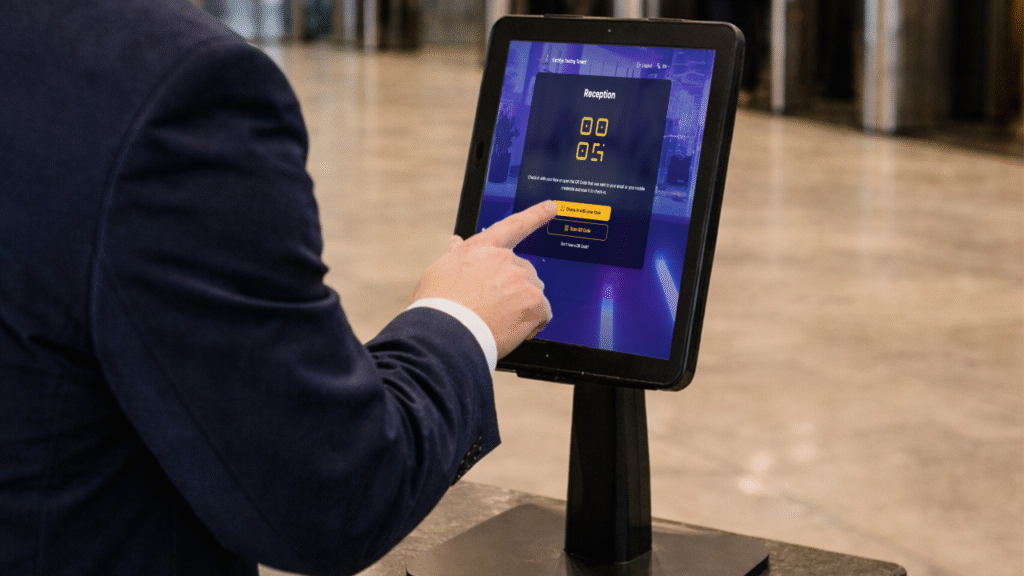
New Security Industry Association (SIA) member Fortifye manages entry for guests, contractors and VIPs through its single, identity-driven workflow that controls how each person is invited, verified and granted time-bound access. The company is headquartered in Denver, Colorado.
SIA spoke with Jeff Friedman, CEO of Fortifye, about the company, the security industry and working with SIA.
Tell us the story of your company.
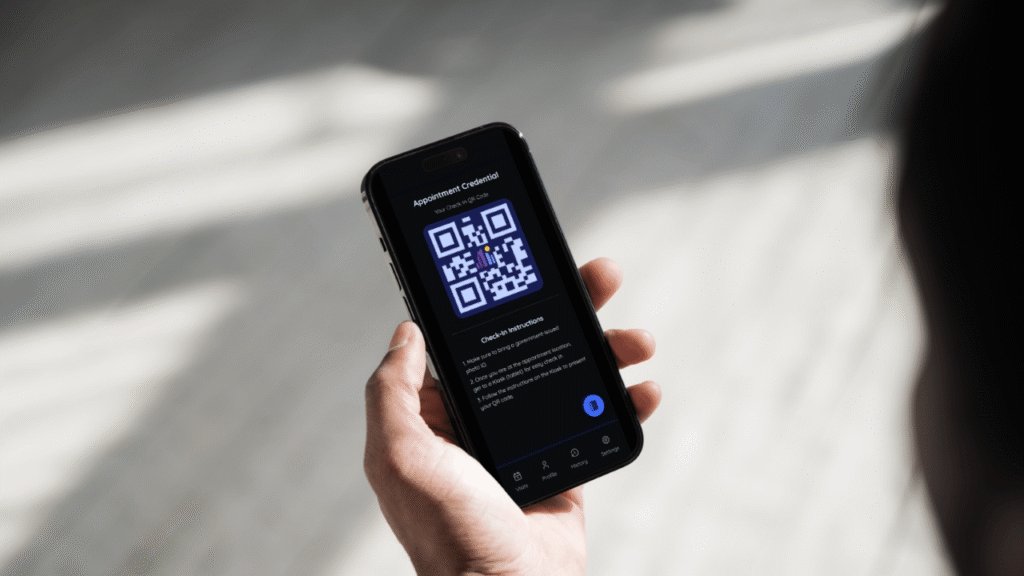
Jeff Friedman: Fortifye was built to modernize “arrival security”—the moment people, vehicles and deliveries meet the facility edge. We started by solving real operational pain: inconsistent standard operating procedure (SOP) execution, exception chaos and slow incident response at the post. From that, we built a mobile-first Trusted Arrival Platform and an artificial intelligence (AI) copilot that helps teams run security the way it’s supposed to run: consistent, accountable, fast and defensible. Our roots are in high-consequence environments, and we’re now bringing that discipline to the security industry.
What solutions/services does your business offer in the security industry? And what makes your offerings/company unique?
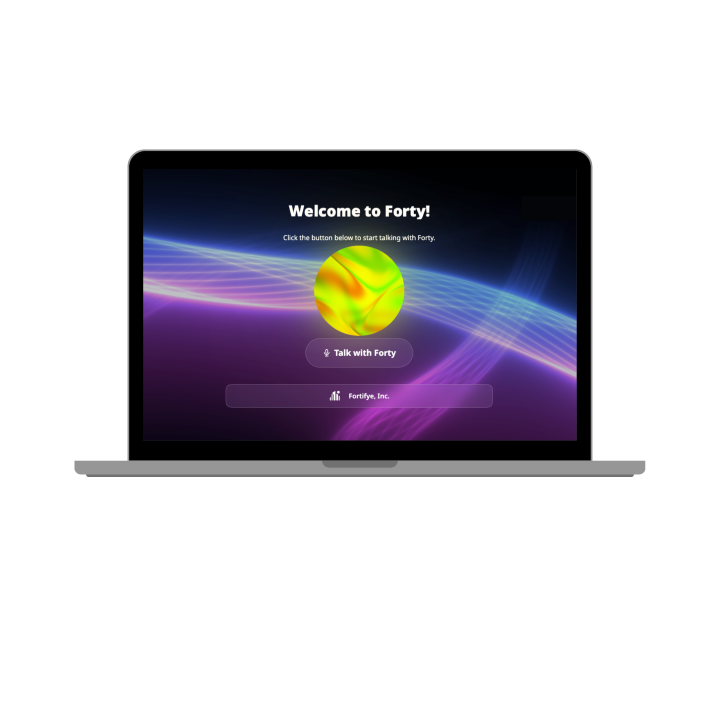
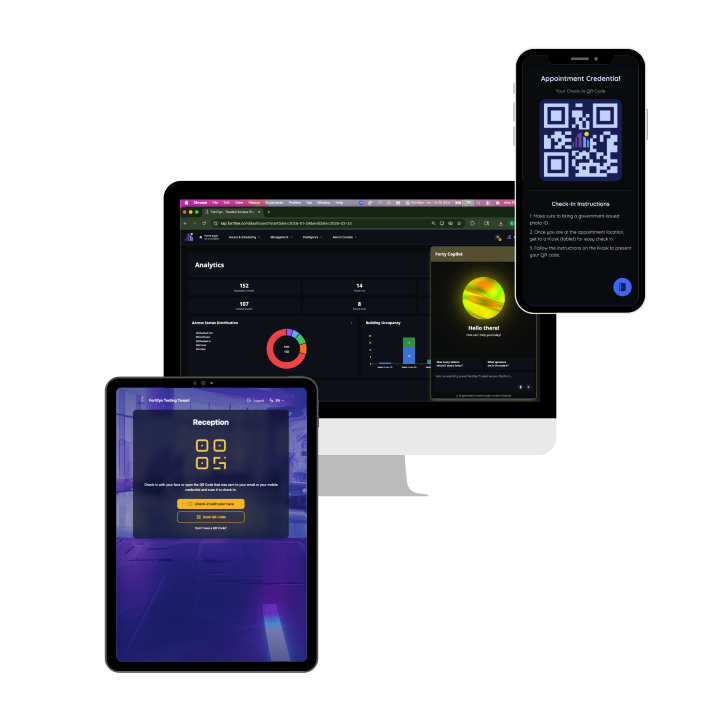
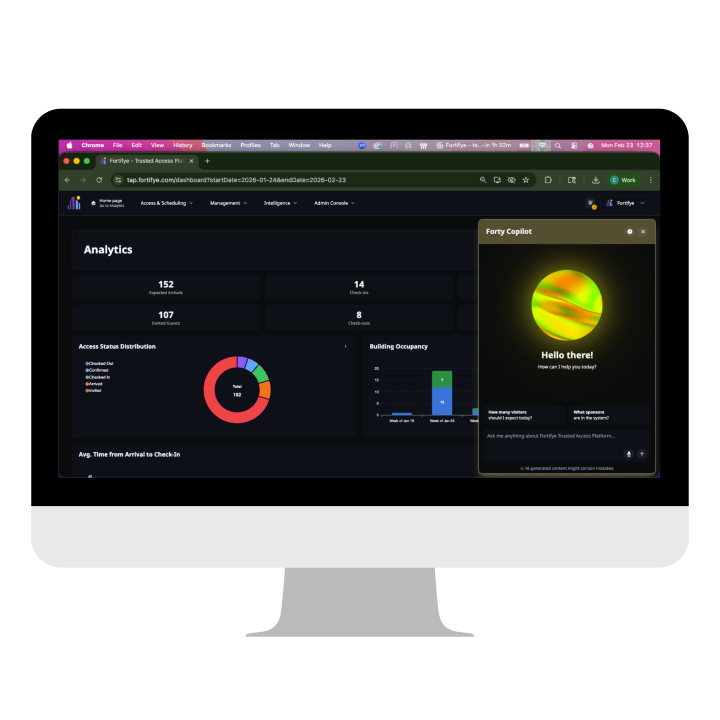
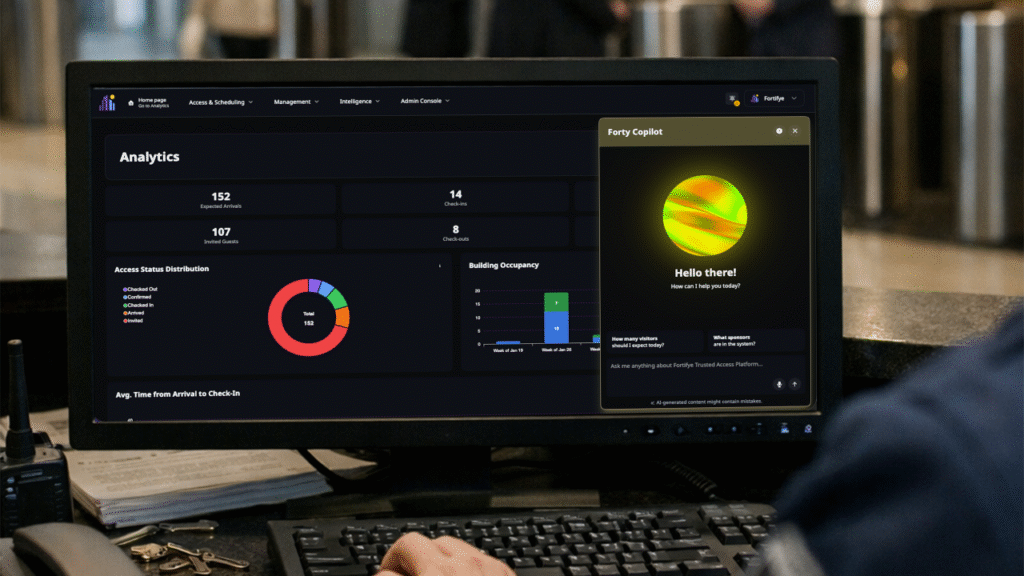
JF: We deliver a cloud-based and mobile based solution for arrivals (guest, contractor, supplier flows), plus an AI copilot that turns SOPs and post orders into step-by-step operational guidance. The platform supports workflow execution, credentialing, approvals and audit trails. The AI layer enables real-time decision support for officers and supervisors: “What do I do next?”, “Who do I notify?”, “What do I document?” and “What’s the escalation path?”.
What’s unique is that we’re not just “AI analytics” in a global security operations center—we’re AI embedded at the ground level, where the work happens, driving operational consistency, speed and compliance. Inclusive aspects are trust scoring, wayfinding and mobile applications.

What is something we might not know about your company—or something new you are doing in security?
JF: We’re building AI that can be operationally trusted on post—not a chatbot bolted onto a dashboard. That means structured SOP ingestion, role-based responses (officer vs. supervisor vs. admin) and role-based access management. We’re also focused on bridging physical security with operational reality: exceptions, incomplete information, human stress and the need for clean documentation after the fact.
What do you think are the biggest opportunities in the security industry right now?
JF: The biggest opportunity is turning security from a reactive staffing model into a technology-enabled operating system: better outcomes with the same (or fewer) resources. AI copilots can standardize execution, reduce variance across officers and shifts and improve response speed while producing clean, defensible records. Another major opportunity is improving the arrival experience without weakening controls: faster throughput, fewer bottlenecks and tighter identity and authorization, especially as facilities face more complexity (hybrid work, vendors, contractors, deliveries and events).
What are the biggest challenges facing your company and/or others in the security industry?
JF: Trust and adoption are the hard problems. Security leaders are rightly skeptical of “AI hype,” and tools must be reliable under pressure, not just impressive in demos. The industry also faces chronic staffing constraints, uneven training and inconsistent post performance, which creates risk and liability. On the technology side, integration friction is real: access control, visitor platforms, cameras, radios and identity systems don’t naturally behave like a unified stack. We brought our solution to the edge, with a framework for access control directly to the panel.
What does SIA offer that is most important to you/your company? And what do you most hope to get out of your membership with SIA?
JF: We value SIA’s ability to convene serious security practitioners, integrators and technology leaders, the people who shape standards, buying decisions and operational best practices. We want to contribute to the industry conversation on practical AI in security operations (not marketing AI), and we want to learn from members about real deployment requirements, integration expectations and evolving risk concerns so we can build what the market will actually adopt.
How does your organization engage with SIA? What are your plans for involvement in the next year?
JF: We currently have leaders serving on advisory boards. We plan to engage through working groups, events and thought leadership focused on operational AI, identity at the edge and practical guidelines for deploying AI copilots responsibly. We also want to collaborate with integrators and member companies on reference architectures and use cases, especially around SOP digitization, exception handling and incident response modernization.
The views and opinions expressed in guest posts and/or profiles are those of the authors or sources and do not necessarily reflect the official policy or position of the Security Industry Association.
 Back to Top