
SIA New Member Profile: Defend Systems
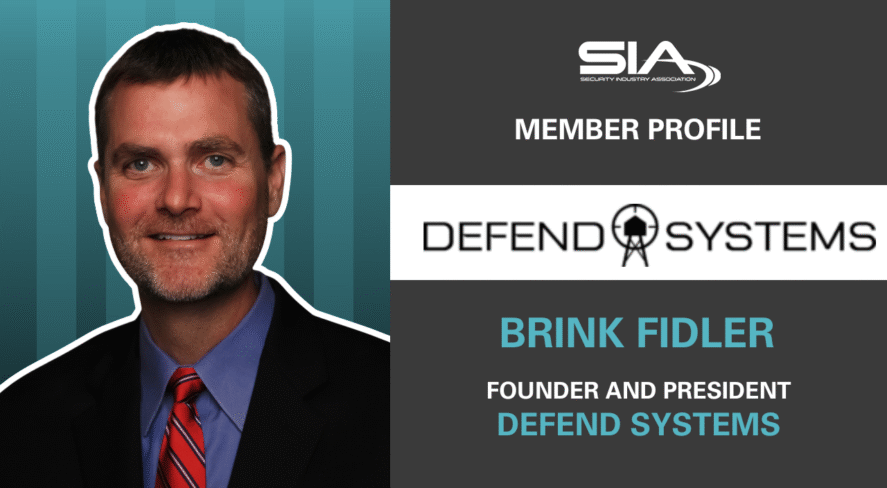
New Security Industry Association (SIA) member Defend Systems is a life safety and security consulting firm specializing in active shooter response training and physical security consulting. The company is headquartered in Brentwood, Tennessee, and has worked with organizations nationwide.
SIA spoke with Brink Fidler, founder and president of Defend Systems, about the company, the security industry and working with SIA.
Tell us the story of your company.
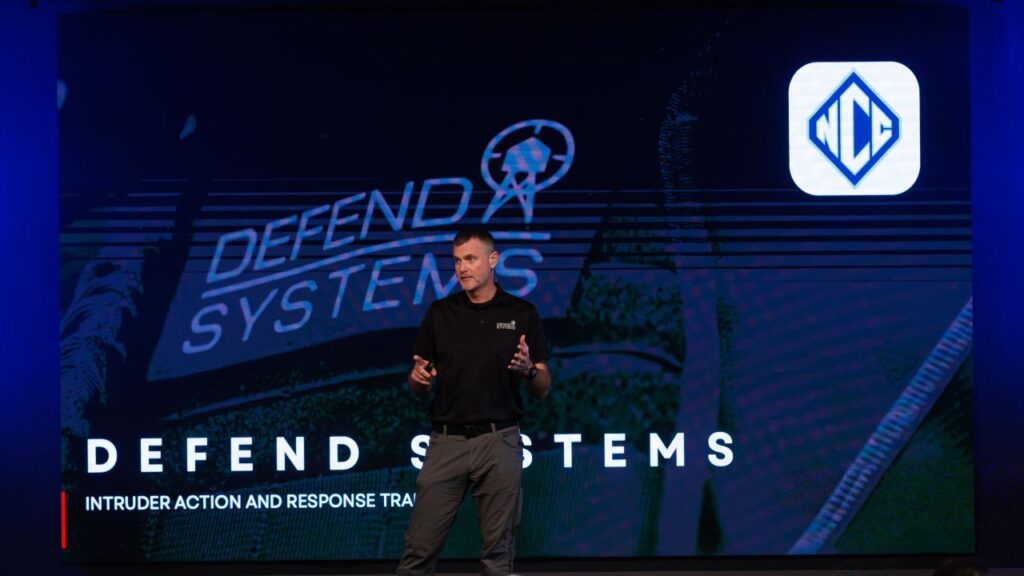
Brink Fidler: I founded Defend Systems in 2017 after a career in law enforcement. During that time, active shooter incidents were becoming increasingly prevalent, and I spent years researching and analyzing data from these events. What became clear was this: in many cases, the greatest opportunity to save lives exists before law enforcement can arrive and neutralize the threat.
The reality is that those experiencing the event are often the true first responders. They must know what to do, have practical skills and feel empowered to act.
With that conviction, I developed a curriculum designed to equip civilians to respond effectively in moments of crisis and mitigate harm. I began presenting the training in schools and workplaces throughout Nashville. As incidents continued to occur across the country, demand for proactive, practical training steadily grew, and so did Defend Systems.

What solutions/services does your business offer in the security industry? And what makes your offerings/company unique?
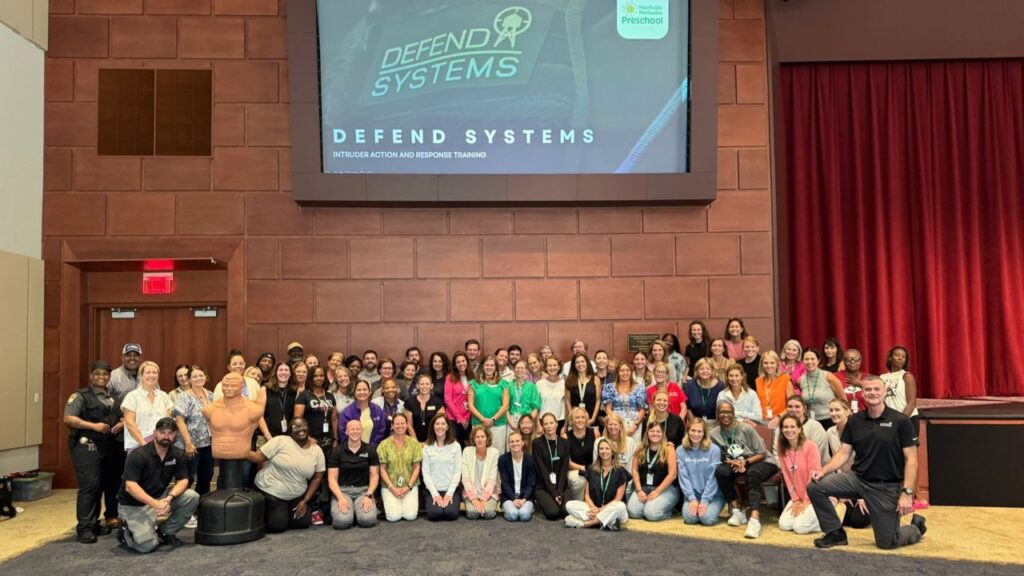
BF: Defend Systems provides active shooter response training for schools, businesses, churches and other organizations nationwide. In addition to training, we offer other physical security services, such as security vulnerability assessments, emergency operations plans, physical security consulting and design for residences and new construction, tactical response training, rapid response medical training and keynote speaking.
What makes us different is that our active shooter response training program uses the D.E.F.E.N.D, acronym, a proprietary curriculum developed from years of law enforcement experience and detailed analysis of real-world incidents, to teach civilians how to respond to active shooters. I personally found that standard active shooter training programs had holes or left out critical information and skill development. I spent years dissecting real active shooter events, second by second, to uncover what worked, what failed, and why. I also spent years getting to know my audience, asking people for critical feedback to improve my curriculum and the way in which it is delivered. We take pride in empowering people with confidence, not fear.
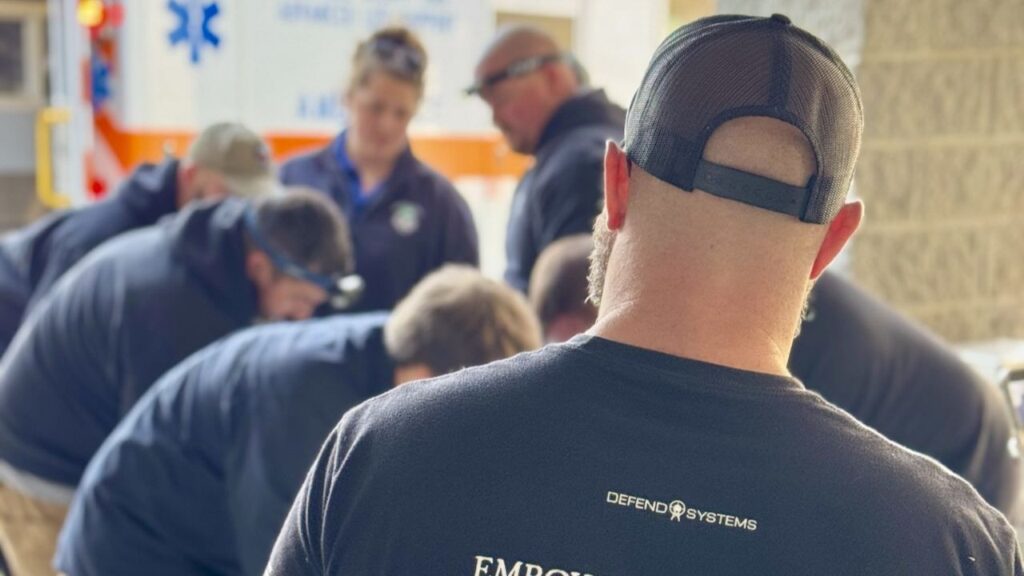
Our training is always expert delivered. We do not use a train-the-trainer model. Every client works directly with seasoned professionals who bring real-world experience into the classroom.
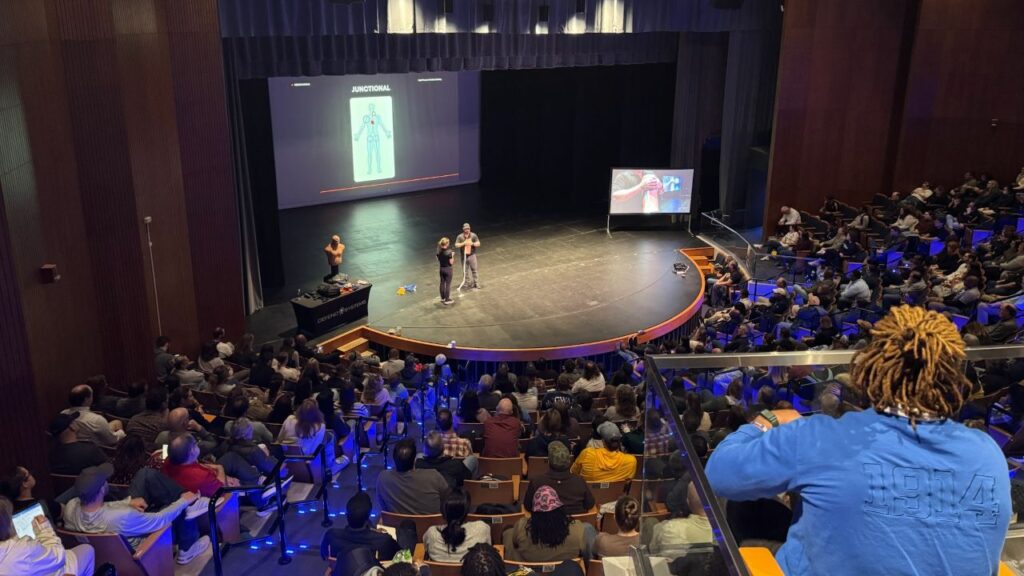
Approximately 25% of our program focuses on rapid response medical training. In many incidents, victims do not die immediately but from preventable trauma-related blood loss before first responders arrive. We equip participants with the skills to control bleeding and stabilize injuries in those critical first minutes.
What is something we might not know about your company—or something new you are doing in security?
BF: We spend significant time analyzing real-world incidents and evolving our curriculum based on emerging data and trends. Our programs are not static. They are continuously refined to reflect what is actually happening in the threat landscape.
One area we are continuing to expand is including rapid response medical training in all of our security offerings. We believe that preparation is incomplete without preparing people to manage trauma in the critical minutes before first responders arrive. By combining our offerings with medical response training, we help organizations close a gap that is often overlooked.
We are also increasingly working with leadership teams during the design and construction phases of new facilities. Incorporating security principles early in the planning process allows organizations to build safer environments from the ground up rather than retrofitting solutions later.
What does SIA offer that is most important to you/your company? And what do you most hope to get out of your membership with SIA?
BF: We recognize that it is unlikely we will ever prevent every act of mass violence in this country. What we can do is ensure that people are better prepared to respond. Education, training and collaboration across the security industry are essential to reducing loss of life during critical incidents.
SIA offers access to a network of security professionals who are serious about improving safety. We want to engage with others who are focused on practical solutions, share what we have learned from the response and training side of the industry and continue refining our approach.
We hope to build strong partnerships and stay informed on industry advancements.

What are the biggest challenges facing your company and/or others in the security industry?
BF: One of the biggest challenges we face is the sting wearing off. People are constantly exposed to bad news. Over time, the emotional impact dulls. The urgency that follows a high-profile incident fades.
We often see a surge in interest immediately after a mass shooting that dominates headlines. Organizations are motivated and ready to invest in preparedness; however, as media coverage slows and time passes, urgency declines. People begin to feel removed from the risk.
This type of cycle makes preparedness difficult. Security should not be reactive to headlines. Effective protection requires long-term planning and a willingness to address uncomfortable realities even when they are not in the news.
What do you most enjoy about working at your company—and in the security industry?
BF: We focus on practical solutions and equipping people with skills they can carry with them anywhere. Seeing individuals leave training more confident, more aware and better prepared is one of the most rewarding parts of what we do.
The views and opinions expressed in guest posts and/or profiles are those of the authors or sources and do not necessarily reflect the official policy or position of the Security Industry Association.
 Back to Top