
Drone Restrictions and Energy Infrastructure: Navigating UAFR Eligibility
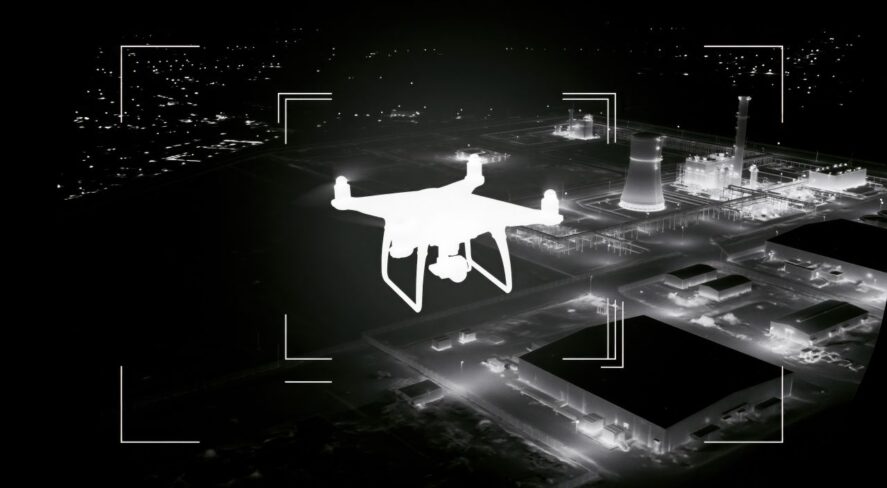

As drone activity around critical infrastructure continues to increase, the Federal Aviation Administration’s (FAA) proposed Unmanned Aircraft Flight Restriction (UAFR) framework could provide eligible energy facilities with a new federally recognized tool to help protect their airspace. While a UAFR does not physically prevent unauthorized drones from entering restricted airspace, it establishes an enforceable no-fly area that allows regulatory action against violators and supports broader facility security efforts.
Under the FAA’s proposal, only certain electricity generation facilities, transmission substations, oil refineries and natural gas processing plants that meet specific operational thresholds would be eligible to apply. Applicants would also need to demonstrate existing physical security measures, security monitoring, designated security personnel, and the capability to receive broadcast Remote ID messages from nearby drones. Understanding these eligibility and security requirements is essential for facility owners and operators preparing for the proposed UAFR framework.
This guide provides a detailed overview of qualifying facility criteria, security expectations, the proposed FAA application process, and renewal requirements, helping energy sector stakeholders determine whether their facilities may qualify and how to prepare for future implementation.
The views and opinions expressed in guest posts and/or profiles are those of the authors or sources and do not necessarily reflect the official policy or position of the Security Industry Association.
This article originally appeared in the Utility Brief, a newsletter presented by the SIA Utilities Advisory Board.
 Back to Top