
Critical Infrastructure
The National Infrastructure Protection Plan, developed by the Department of Homeland Security, recognizes identifies 16 specific sectors of critical infrastructure in American society. The Plan provides guidance for the public and private sectors to work together to ensure their security. SIA participates in the planning for security as the face of the private sector industry.

Cybersecurity at the Far Edge: The Overlooked Risk in Physical Security
It’s Cybersecurity Awareness Month! As the month kicks off, the Security Industry Association (SIA) is spotlighting the urgent challenges reshaping the security landscape. In this article, SIA Utilities Advisory Board member Bobbie Ferraro examines zero trust at the edge, why it matters for artificial intelligence and automation and what utilities can do now to enhance…
Keep Reading »
Security Industry Association Issues Statement on Recent Cyberattacks to Water Facilities
SILVER SPRING, Md.—In late July 2026, cyberattacks hit water and wastewater utilities across at least a dozen U.S. states. These incidents offer a clear reminder that the security of critical infrastructure cannot be divided neatly into physical and cyber silos. When digital systems fail, the physical infrastructure and the people responsible for operating and protecting it become the last lines of defense. “The threats to…
Keep Reading »
Drone Restrictions and Energy Infrastructure: Navigating UAFR Eligibility
As drone activity around critical infrastructure continues to increase, the Federal Aviation Administration’s (FAA) proposed Unmanned Aircraft Flight Restriction (UAFR) framework could provide eligible energy facilities with a new federally recognized tool to help protect their airspace. While a UAFR does not physically prevent unauthorized drones from entering restricted airspace, it establishes an enforceable no-fly area that…
Keep Reading »
Drones Over Critical Infrastructure: A Growing Blind Spot for Utilities
Unauthorized drone activity around substations, generation sites, and transmission corridors has moved from rare curiosity to routine occurrence. Utilities across the sector are reporting more frequent sightings near critical assets, some benign (hobbyists, photographers), others clearly reconnaissance or targeting behavior. Most sites still have no way to detect, classify or respond to this activity; radar…
Keep Reading »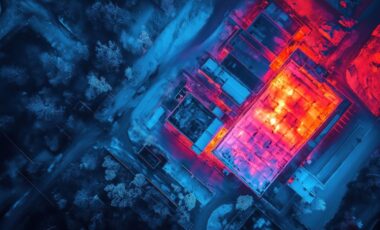
Thermal Imaging: Protecting Utility Assets Before Problems Escalate
Thermal imaging is becoming an essential tool for electric utilities because it supports physical security, asset protection and early detection. From a security perspective, thermal cameras can detect people and vehicles in darkness, fog, smoke and other challenging conditions where conventional cameras may struggle. This allows security teams to identify perimeter intrusions and suspicious activity at substations, generation facilities and remote infrastructure. The…
Keep Reading »
Why Energy Infrastructure Owners are Built for the “AI-Native” Enterprise
“AI-native” refers to an organization or process that is designed around artificial intelligence from the outset, rather than adding AI later. Companies like Anthropic and OpenAI are good examples. When they design a business process, AI is inherently built into it. It is not an afterthought or an add-on. It’s central to how they operate, make decisions and…
Keep Reading »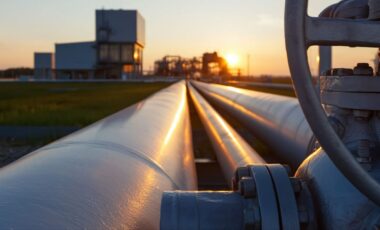
Beyond Copper Theft: Why Fuel Theft Is Becoming a Critical Utility Security Concern
For electric utilities, physical security has traditionally focused on copper theft, vehicle break-ins, vandalism, substations and critical equipment. But an increasingly attractive target is often sitting in plain sight: the fuel stored in utility yards, service depots, fleet areas and emergency response facilities. Reports of fuel theft are beginning to surface more frequently in incident…
Keep Reading »
Farnborough International Airshow: Understanding the Evolving Global Security Landscape
The global security landscape is undergoing a profound transformation. Today’s threats are no longer confined by geography, industry, or discipline. Cyberattacks can disrupt physical infrastructure, geopolitical tensions can reshape supply chains overnight, artificial intelligence is accelerating both innovation and adversarial capabilities and vulnerabilities within a single supplier can cascade across critical industries and allied nations.…
Keep Reading »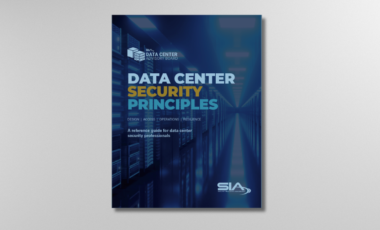
Data Center Security Principles
A reference guide for data center security professionals, from the Security Industry Association’s Data Center Advisory Board.
Keep Reading »
Securing Oil and Gas in a Converged World: Key Takeaways From SIA’s Vertical Insights Symposium
The oil and gas sector remains a cornerstone of critical infrastructure—powering economies while facing an increasingly complex risk landscape. At the Security Industry Association (SIA) Vertical Insights Symposium on oil and gas security, industry leaders, technology experts and public-sector stakeholders explored how organizations are adapting to address the convergence of physical security, cybersecurity and operational…
Keep Reading » Back to Top