
From Service to Systems: Finding Purpose in Electronic Security

When I left military service, my path felt clear: I would become a police officer.
Like many veterans, I was drawn to service, structure and mission-driven work. My wife supported my desire to serve, but she also understood the toll that military life had already taken. She didn’t want to see me placed back in harm’s way, so she encouraged me to consider security as an alternative path to the same purpose: protecting people, assets and communities. That encouragement changed everything.
Staying Grounded While Moving Forward
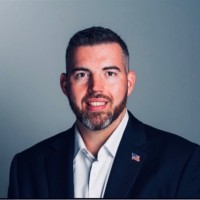
My first role after the armed forces was as a civil service high school security officer. For five years, I worked during the day and attended college at night using my G.I. Bill. It wasn’t glamorous, but it was stable and purposeful. More importantly, it reinforced a lesson veterans know well: Progress doesn’t always come quickly—it results from disciplined consistency.
Eventually, I made a decision that felt risky at the time. I left the comfort of a familiar role and stepped into a structured cabling technician position. It was a reset—new tools, new language, new expectations. That move placed me inside the world of electronic security and IT infrastructure and opened the door to my first opportunity as a project coordinator. From there, I did what many veterans do best: I learned the business from the ground up, gaining experience in field operations, project controls, client expectations, margins and business execution.
That foundation led to leadership roles across enterprise security and IT environments. Over time, I managed national IP CCTV, access control and intrusion projects; oversaw multimillion-dollar portfolios; helped scale organizations through operational discipline and SaaS adoption; expanded into artificial intelligence-driven analytics and cybersecurity; and supported federal, state, local and education clients with compliance-driven, mission-critical systems.
Today, my focus is on aligning technology, operations and strategy to ensure that security solutions don’t just function, but perform, scale and deliver long-term value.
A Message for Veterans
Electronic security is not a fallback—it’s a force multiplier. The industry needs veterans who understand risk, accountability, leadership under pressure and mission-first thinking balanced with business realities. You don’t need to be an expert from the start. You just need to be willing to learn, take calculated risks and apply the same discipline that carried you through training and deployments. Just like in the military, you’ll become more skilled along the way while confiding in trusted leaders, role models and mentors. As always, no mission is accomplished alone.
My journey—from Afghanistan with the 82nd Airborne to school hallways to cabling closets to boardrooms—wasn’t a straight line, but it was intentional. Electronic security gave me a way to continue serving without sacrificing my family, my future or my growth. Other veterans can enjoy the same benefits while continuing to use their abilities and their passion to protect others.
The views and opinions expressed in guest posts and/or profiles are those of the authors or sources and do not necessarily reflect the official policy or position of the Security Industry Association.
This article originally appeared in Mail Call, a newsletter presented by the SIA Veterans in Security community.
 Back to Top