
SIA New Member Profile: Ones Technology
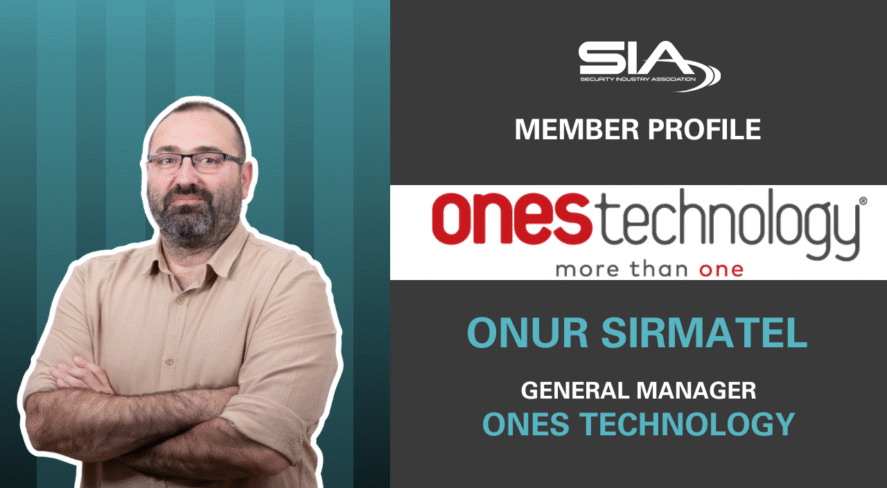
New Security Industry Association (SIA) member Ones Technology is an integrated research, development and production center that operates in biometrics and smart card-based security and access control systems and pioneers technological advances and innovation in its field. The company is headquartered in Ankara, Turkey, will soon begin operations in the United States and shortly thereafter plans to establish a presence in Europe and the Middle East.
SIA spoke with Onur Sırmatel, general manager of Ones Technology, about the company, the security industry and working with SIA.
Tell us the story of your company.
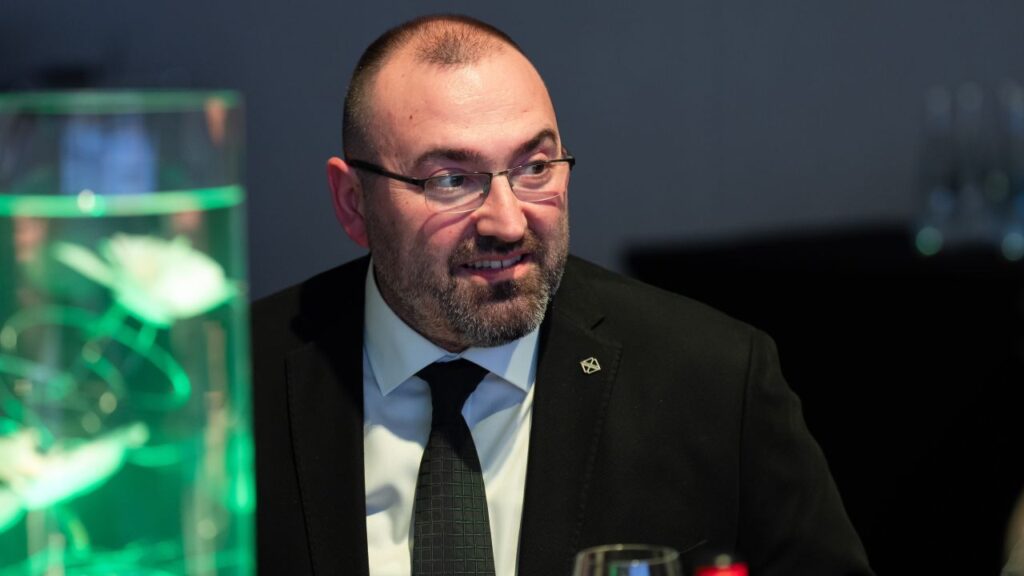
Onur Sırmatel: We were founded in 2008 to focus on biometric identity management. After delivering large-scale projects nationwide, we began responding to diverse demands. We started serving requests from the healthcare and finance sectors, followed by critical infrastructure.
We realized that physical security systems designed to solve different problems were, in fact, creating the root of the problem themselves. For this reason, we began working on a unified physical security platform. And we developed a platform that addresses and closes the gaps we identified in each segment.
Today, we have reached a point where we develop and manufacture more than 100 hardware and software products entirely in house. With our patented solutions that create clear differentiation, and with products and technologies that go beyond regulatory requirements regarding the privacy and responsibilities of both institutions and individuals, we now serve the global market.
What solutions/services does your business offer in the security industry? And what makes your offerings/company unique?
OS: Our company, which develops and manufactures more than 100 hardware and software solutions in-house, is structured around three main product groups.
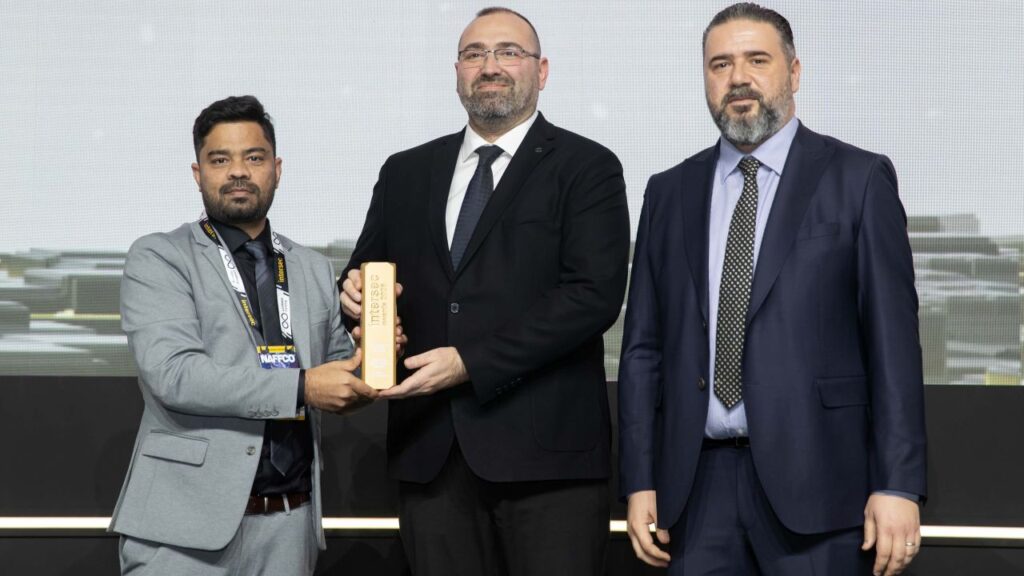
- First, our BioAffix Vision biometric product family—recipient of numerous awards, including the prestigious SIA New Products and Solutions Awards recognition.
- Second, BioAffix NextBadge, the industry’s first e-visible credential solution with no equivalent in the market, scheduled for launch at ISC West 2026.
- Third, our fully integrated unified physical security infrastructure platform.
These products are deployed either independently or as an integrated ecosystem across multiple sectors, including aviation, finance, enterprise environments, education and large-scale events.
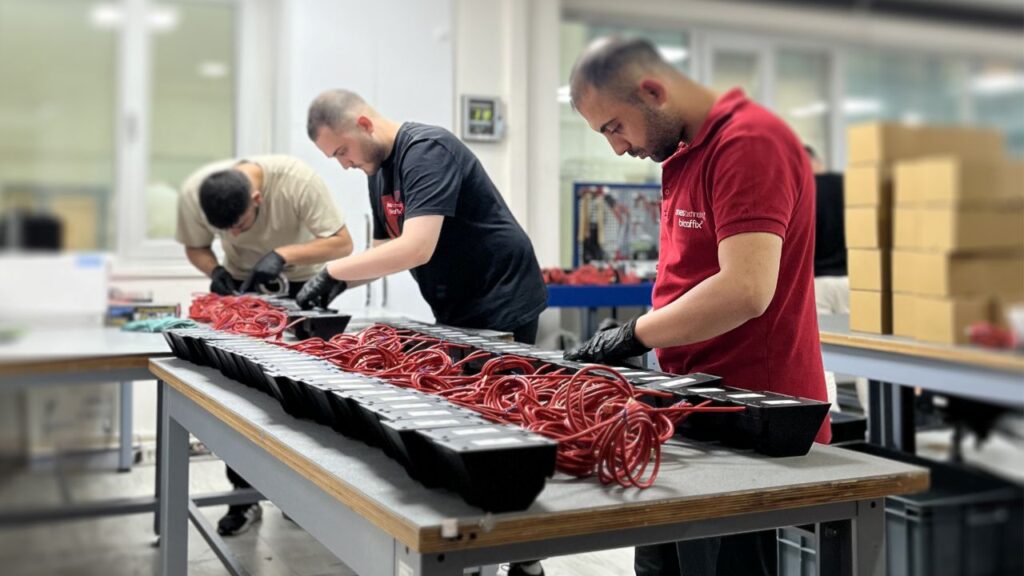
What truly differentiates us is that all software and hardware are developed entirely with our own resources. From ideation to industrial design, from electronic and mechanical engineering to tooling and mold production, every stage is managed in house. This structure enables us to rapidly transform ideas into market-ready products and bring them to market with exceptional speed and agility.
What is something we might not know about your company—or something new you are doing in security?
OS: We are particularly uncompromising when it comes to privacy within our biometric product group. We strongly believe that biometric data is extremely sensitive, and for nearly a decade we have been developing technologies dedicated to protecting it.
Our systems can operate in the conventional way—by storing biometric data on a device or server; however, this is not the model we advocate. Instead, through alternative enrollment and verification methodologies, we promote an architecture in which biometric data remains solely in the possession of the individual.
While doing so, we specialize in creating highly intuitive and user-friendly scenarios, ensuring that advanced privacy protection does not come at the expense of usability.
Another area where we are equally meticulous is product security levels. Our physical security infrastructure, hardware components, and industrial designs are protected against a wide range of attacks and tampering attempts—starting at the hardware level itself. Our biometric devices are built with dual SAM modules and TPM-based security architecture, ensuring robust cryptographic protection and secure key management from the ground up.
What is your company’s vision, and what are your goals for the security industry?
OS: Security and privacy begin as a mindset. They are strengthened through hardware design and governed through software. What may seem like a demanding and complex approach must in reality, be easy to implement and fully transparent for all stakeholders. That is where the essence of Ones Technology lies.
Our mission is to demonstrate to the industry that at every layer, security, privacy and ease of use can coexist—and that they can be made accessible to everyone.
What do you think are the biggest opportunities in the security industry right now?
OS: Since we have multiple product groups, answering this question in detail could take quite some time. It may sound like a cliché, but thinking out of the box and focusing on the use cases created by fully integrated, unified systems allows you to uncover significant opportunities.
Moreover, when we consider the long-debated topic of interoperability and the outcomes of building true ecosystems, it becomes clear that the industry still has a long way to go. And along this path, there is substantial value to be created for all stakeholders involved.
What are the biggest challenges facing your company and/or others int he security industry?
OS: As you know, our industry is not one that undergoes rapid transformation. Fundamental changes often take considerable time. In this context, customers struggle to find vendors capable of delivering fast, adaptive solutions that truly meet evolving demands. Over time, this slow pace has almost become an industry standard.
In such an environment, highly innovative ideas do not always gain immediate traction. For example, when you argue that a biometric device should first and foremost be secure in itself—and should serve purposes beyond simply opening a door—customers may not yet have a defined expectation for such capabilities, which can extend the seeding cycle. Similarly, when you propose that a physical security system should operate as a fully unified platform across all subsystems, the associated use cases may not be immediately understood or adopted.
That said, we must emphasize that we are receiving responses much faster than we initially anticipated. This clearly indicates that the industry is ready—indeed in need—of fundamental transformation. And that realization is something that genuinely excites and motivates us.
What do you enjoy most about being at your company—and in the security industry?
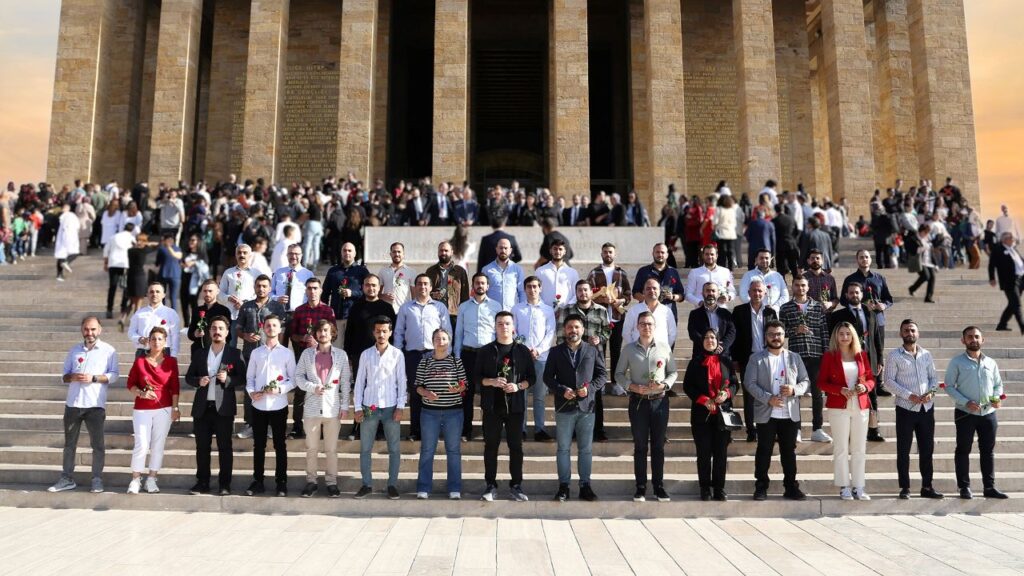
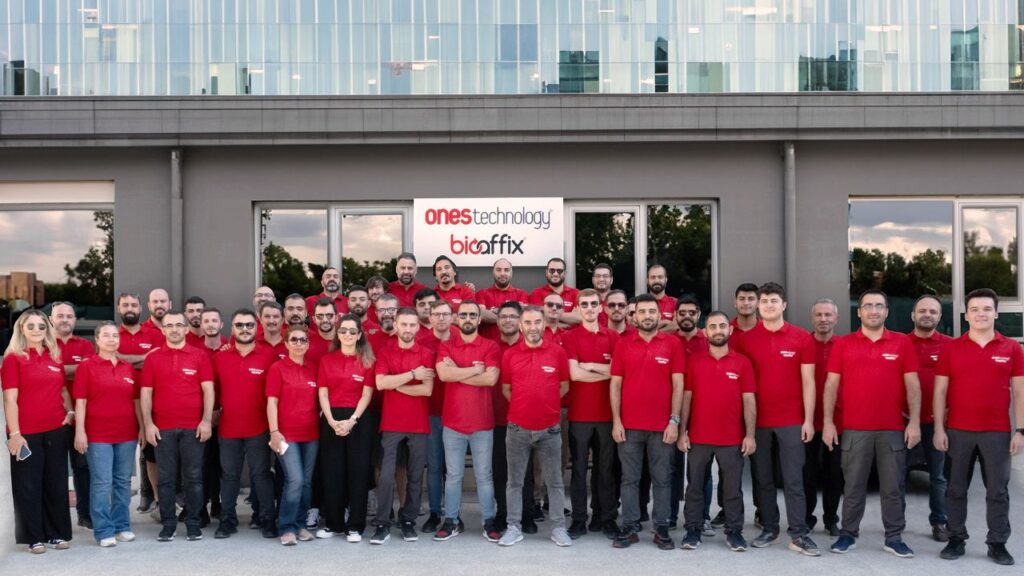
OS: What I enjoy most about being at Ones Technology is seeing ideas evolve into real-world solutions within a strong engineering culture. Here, an idea doesn’t just remain a discussion—it is designed, developed, tested and ultimately deployed to solve an actual problem in the field. Being part of that transformation process is incredibly motivating. I am also very proud of our company culture. We place a strong emphasis on employee engagement and sense of ownership. Our recognition on platforms such as Great Place to Work is not just a title for us—it reflects the environment we have intentionally built. We strive to create a workplace where people do not simply work, but also genuinely enjoy building and innovating together.
The security industry itself is both technically challenging and strategically meaningful. The work we do directly impacts people’s safety, privacy and data protection. That responsibility elevates the purpose of what we build. With constantly evolving threats, emerging technologies and increasing regulatory demands, there is never a static moment. The combination of technological innovation and meaningful societal impact is what makes being in this industry truly rewarding for me.
What does SIA offer that is most important to you/your company? And what do you most hope to get out of your membership with SIA?
OS: What makes SIA most valuable to us is its position as one of the most respected and influential global networks in the security industry. Events such as ISC West are not just trade shows; they are platforms where innovation is recognized, industry direction is shaped and global leaders come together. Being part of that ecosystem is critical for properly positioning both our products and our engineering-driven approach on an international stage.
From our SIA membership, we seek more than visibility. We aim to actively contribute to conversations that shape industry standards, regulatory frameworks and the future of security architecture. Particularly in areas such as biometric data protection, cyber-physical integration and compliance-driven system design, we believe we can add meaningful value. Our goal is not only to participate in the global security market, but to help influence and elevate it.
How does your organization engage with SIA? What are your plans for involvement in the next year?
OS: We see our engagement with SIA as both participatory and contributory. Participating in major industry events such as ISC West is a key part of our strategy, not only to showcase innovation but also to stay closely connected to emerging trends, regulatory discussions and technological advancements. Beyond events, we actively follow SIA forums, technical resources and industry reports to ensure our product roadmap aligns with global standards and evolving best practices.
In the coming year, we plan to deepen our involvement by contributing more actively to industry discussions—particularly around biometric data protection, cyber-physical convergence and compliance-driven architecture. We are interested in engaging in working groups, knowledge-sharing platforms and collaborative initiatives that shape future security standards. For us, SIA is not just a membership—it is a strategic platform where we aim to both learn from and contribute to the global security community.
The views and opinions expressed in guest posts and/or profiles are those of the authors or sources and do not necessarily reflect the official policy or position of the Security Industry Association.
 Back to Top