
SIA New Member Profile: Worldview Monitoring
New Security Industry Association (SIA) member Worldview Monitoring operates video monitoring programs across thousands of cameras, refining the staffing, training, escalation and continuity disciplines required to perform reliably at scale.
SIA spoke with Tim Pearman, CEO of Worldview Monitoring, about the company, the security industry and working with SIA.
Tell us the story of your company.
Tim Pearman: Worldview Monitoring started in South Africa, where the demand for proactive security developed quickly in commercial and industrial environments. Early on, it became clear that remote video monitoring wasn’t just about deploying cameras or analytics. The real challenge was how the service actually ran once it was live.
As volumes increased, the work shifted toward operations, how decisions were made, how operators were trained and how consistency was maintained across different sites and conditions. That experience shaped how we built the business. The focus became less about technology and more about execution, which is the same approach we’ve carried into our expansion into the U.S.
Where is your business located, and what is your geographic footprint?
TP: We are headquartered in South Africa, where our core operations were established and continue to run today. We’ve expanded into the United States to support monitoring centers and security providers that are working through similar challenges around scaling remote guarding. The U.S. market is a natural extension of what we’ve already been doing, just in a different operating environment with its own expectations and pressures.
What solutions/services does your business offer, and what makes you unique?
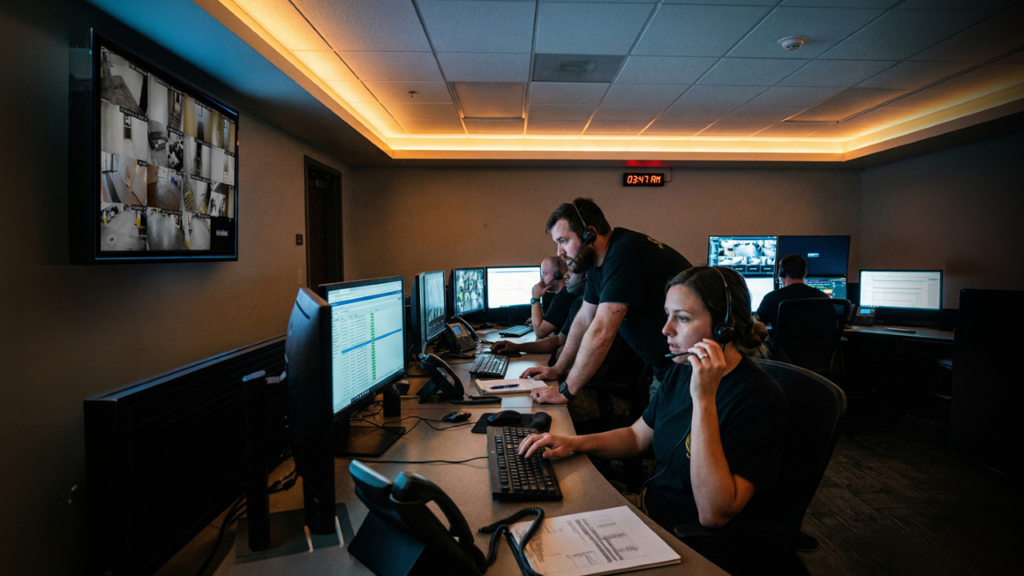
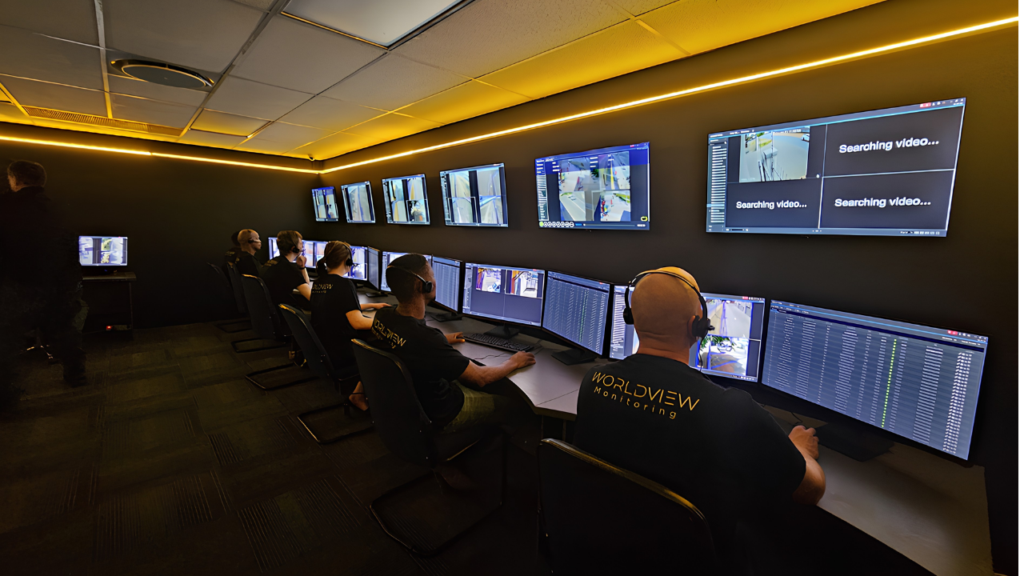
TP: We provide remote guarding services delivered through monitoring center and security provider partnerships. The service is built around trained operators who monitor live video, assess activity and respond based on defined escalation procedures.
What tends to set our approach apart is the focus on how the service performs over time. Most conversations in this space start with platforms, but that’s only part of the picture. Once the service is live, consistency becomes the issue. Maintaining the same level of decision-making across shifts, sites, and growing volumes is where many programs begin to struggle, and that’s where most of our attention is focused.
What is something we might not know about your company?
TP: One thing that isn’t always obvious is how much of the work happens after a program is already in place.
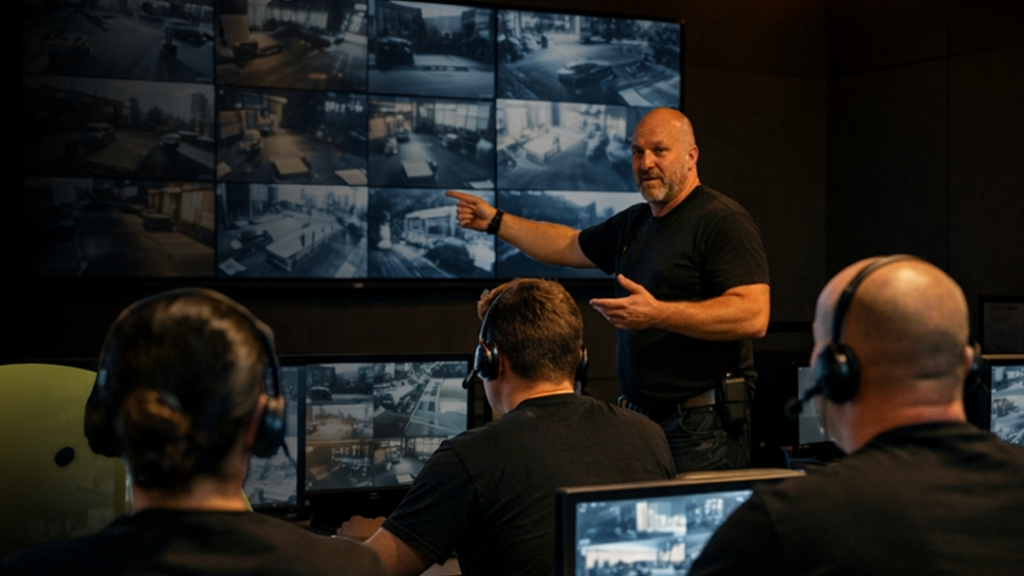
Remote guarding doesn’t stay static. Operator performance shifts over time, especially as activity increases or becomes less predictable. Maintaining consistency requires ongoing supervision, reinforcement and adjustment, not just initial setup. That has shaped how we operate. A lot of our focus is on what happens months into a program, not just at the point of launch.
What does SIA offer that is most important to you/your company?
TP: SIA provides a useful way to stay connected to how different parts of the industry are evolving, particularly in a market as broad as the U.S. For us, that visibility matters. It helps us understand how monitoring centers, integrators and other stakeholders are approaching remote guarding, and where expectations are shifting. That perspective is important as we continue to expand in the U.S.
What are the biggest opportunities in the security industry right now?
TP: One of the more significant shifts is how customers think about video. It’s no longer just about having footage available after an incident. There’s a growing expectation that something will happen while activity is taking place.
Remote guarding fits into that shift, but the opportunity is tied to execution. The demand is there, but delivering the service in a way that remains consistent as it scales is where the real opportunity, and the challenge, sits.
What are the biggest challenges facing the security industry?
TP: A common challenge is the gap between interest in remote guarding and the ability to support it operationally.
Many organizations understand the value and want to offer the service, but maintaining it at scale introduces new demands around staffing, training and oversight. That gap tends to show up over time rather than at the start, which is why it can be difficult to anticipate.
The views and opinions expressed in guest posts and/or profiles are those of the authors or sources and do not necessarily reflect the official policy or position of the Security Industry Association.
 Back to Top