
SIA New Member Profile: National Institute of Crime Prevention

New Security Industry Association (SIA) member the National Institute of Crime Prevention (NICP) specializes in crime prevention through environmental design (CPTED) training and officers the NICP CPTED Professional Designation (CPD). The company is headquartered in in Tampa, Florida, and provides both in-person and online CPTED training programs throughout the United States and Canada and internationally.
SIA spoke with Joelle Hushen, founder and president of the NICP, about the company, the security industry and working with SIA.
Tell us the story of your company.

Joelle Hushen: The NICP was founded by my husband, Art Hushen, and me in 1999, although the foundation for it really started years earlier through Art’s law enforcement career and his passion for learning new approaches to crime prevention and community safety.
Throughout his career in policing, Art was always looking for practical strategies, theories and tools that could help him better serve the community and address problems proactively instead of reactively. That interest led him into crime prevention training and eventually to crime prevention through environmental design. CPTED quickly became a major professional focus because it connected so many aspects of safety, behavior, environment and community together in a practical way.
When we founded the NICP, CPTED was still relatively unknown outside of a fairly small group of practitioners. Our goal was to create practical, real-world training that could help professionals better understand how design, visibility, maintenance, activity and human behavior all influence safety and quality of life. As the organization grew, I worked alongside Art in helping expand the NICP’s educational programs and operations. My background in scientific research and higher education brought an additional interdisciplinary perspective to the company, particularly around systems thinking, human behavior, research, and the relationship between environments and human outcomes.
What started as a small CPTED training company has grown over the past two-and-a-half decades into an international educational organization. Today, the NICP provides CPTED training and certification programs for professionals working across law enforcement, security, architecture, planning, schools, public health, government and community development throughout the United States and Canada and internationally.
In addition to hosting open enrollment courses, we also work with agencies, organizations, universities and communities to provide customized training and professional development programs tailored to their specific needs.
Over the years, technology has also allowed us to expand access to CPTED education through online learning platforms while still maintaining the practical, real-world focus that has always been central to the NICP.
What solutions/services does your business offer in the security industry? And what makes your offerings/company unique?
JH: The NICP specializes in CPTED training, certification and professional education. Our programs focus on helping professionals understand how the built environment, human behavior, maintenance, visibility, access, activity and management all influence safety, security and quality of life.
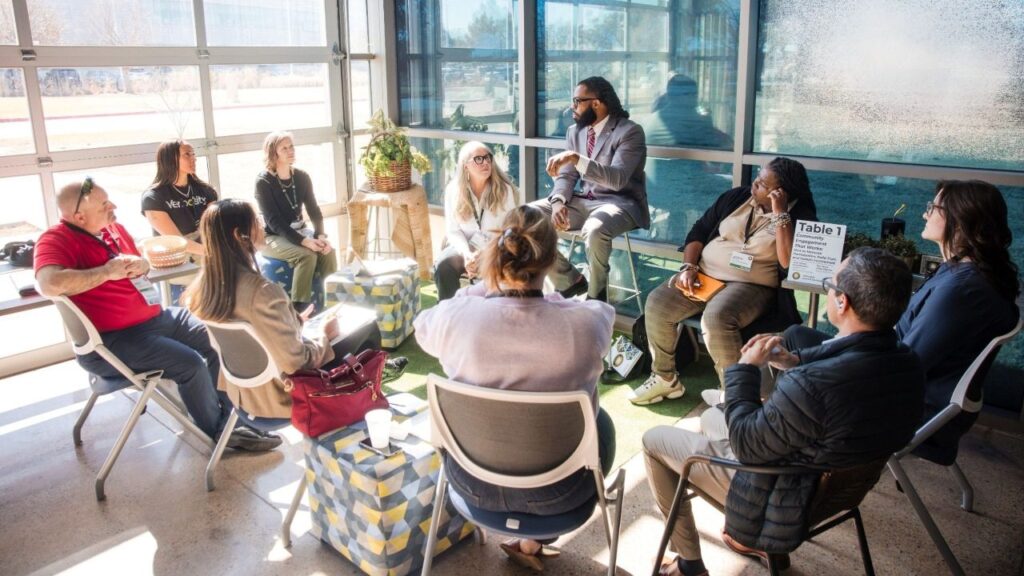
What makes our approach unique is that CPTED naturally connects disciplines that do not always traditionally work closely together. In our courses, it is common to have law enforcement officers, security professionals, architects, planners, school officials and community leaders all discussing the same environment from different perspectives
We also focus heavily on practical application. Our training is built around real-world case studies, field assessments, problem solving and understanding how security strategies function in everyday environments. As the security industry continues evolving through smarter technology, analytics and connected systems, we see increasing recognition that environmental design and human behavior are critical parts of creating effective long-term security strategies.
What is something we might not know about your company—or something new you are doing in security?
JH: One thing people are often surprised to learn is how broad the application of CPTED has become over the years. Many people initially associate CPTED primarily with law enforcement or physical site assessments, but we are increasingly seeing interest from the security technology industry, corporate campuses, healthcare, schools, multifamily housing, infrastructure, public health and even data centers.
We are also seeing growing conversations around how environmental design, technology, operations and human behavior all work together to create safer and more resilient environments. That intersection is where we believe many of the most important opportunities in security are headed.
One area we are especially excited about right now is helping create stronger connections between CPTED professionals and the broader security industry so that environmental design considerations become part of security conversations earlier in the planning and decision-making process.
What is your company’s vision, and what are your goals for the security industry?
JH: Our vision has always been to help create safer, healthier, and more connected communities by improving the relationship between people and the environments they use every day.
One of the things we appreciate most about CPTED is that it encourages collaboration between disciplines that do not always traditionally work together. Some of the best safety outcomes happen when law enforcement, security professionals, architects, planners, educators, property managers, public health professionals and community stakeholders are all part of the conversation early in the process.
As the security industry continues evolving, we believe there is a growing opportunity to move beyond thinking about security only as a response to threats and instead focus more on proactive, human-centered approaches that improve both safety and overall quality of life. Security technology will continue playing an important role, but we also see increasing recognition that visibility, usability, maintenance, activity, comfort and human behavior all influence how secure a place actually feels and functions.
Our goal is to continue helping bridge those conversations and expand awareness of how environmental design can work alongside traditional security strategies to create stronger long-term outcomes.
What do you think are the biggest opportunities in the security industry right now?
JH: One of the biggest opportunities in the security industry right now is the growing recognition that security works best when it is integrated into the larger conversation about how people actually experience and use a space.
For many years, security discussions often happened separately from planning, design, operations, maintenance and community engagement. We are now seeing much more collaboration between those disciplines, especially as organizations begin focusing not only on security outcomes, but also on user experience, resiliency, wellness and long-term operational effectiveness.
We also think there is a major opportunity to move from reactive approaches toward more proactive strategies that address problems earlier through design, visibility, maintenance, activity and environmental management. Technology continues to advance rapidly, but some of the most effective security outcomes still come from combining technology with thoughtful planning, human behavior awareness and well-designed environments.
We are increasingly seeing architects, planners, health care professionals, educators, developers and public health organizations become active participants in discussions that were once viewed as primarily law enforcement or security focused.
What are your predictions for the security industry in the short and long term?
JH: In the short term, I think we will continue seeing security technology evolve very quickly, especially around connected systems, artificial intelligence, analytics and identity management. At the same time, organizations are also trying to balance security with usability, comfort, operational needs and overall user experience, which is creating more collaboration across different professions and industries.
Long term, I think the industry will continue moving toward a more holistic understanding of security. The conversation is already expanding beyond simply controlling access or responding to incidents and increasingly includes topics like environmental design, wellness, resilience, public perception, community trust and how people actually experience spaces on a daily basis.
I also think we will see stronger collaboration between the security industry and professions that historically operated somewhat separately from it, including architecture, planning, public health, landscape architecture, education and community development. Some of the most effective long-term security strategies will likely come from organizations that successfully combine technology, environmental design, operations and human-centered thinking instead of relying too heavily on any one solution alone.
What are the biggest challenges facing your company and/or others in the security industry?
JH: One of the biggest challenges we see is that many important decisions affecting safety and security are still made in silos. Security, design, operations, maintenance, planning and community considerations are often handled separately, even though they all influence one another in real-world environments.
Another challenge is helping organizations balance security needs with usability, aesthetics, accessibility and overall quality of life. Some security measures can unintentionally create environments that feel unwelcoming, overly restrictive or disconnected from the people using them if those broader considerations are not part of the conversation early on.
From a CPTED perspective, there is also still a general lack of awareness about how much the physical environment influences behavior, perception, maintenance demands and opportunities for crime. We are seeing growing interest in those conversations, but there is still a significant opportunity for education and cross-disciplinary collaboration throughout the industry.

What do you enjoy most about being in your company—and in the security industry?
JH: I enjoy watching people start to see environments differently after learning about CPTED. Once someone begins understanding how visibility, maintenance, activity, access, landscaping, lighting and human behavior all interact, they tend to notice those things everywhere they go. It changes how they think about safety, but also how they think about community, usability and quality of life.
More broadly, I appreciate that the security industry is continuing to evolve and expand beyond traditional boundaries. There are more opportunities now for collaboration, innovation and interdisciplinary thinking than ever before, and I think that creates exciting possibilities for the future.
What does SIA offer that is most important to you/your company? And what do you most hope to get out of your membership with SIA?
JH: One of the things we value most about SIA is the opportunity to connect with professionals and organizations working across so many different areas of the security industry. As CPTED continues gaining broader attention within conversations around technology, access control, identity management, resiliency and user experience, those interdisciplinary connections become increasingly important.
We also appreciate that SIA creates opportunities for education, collaboration, and forward-looking industry discussions. One of the things we have always believed at the NICP is that better outcomes happen when different professions and perspectives are part of the conversation early, and SIA provides a strong platform for those kinds of connections.
As we continue building relationships within the security industry, we hope our membership will help expand awareness of CPTED and encourage more collaboration between environmental design professionals, security practitioners and technology leaders working toward the shared goal of creating safer and more resilient environments.
How does your organization engage with SIA? What are your plans for involvement in the next year?
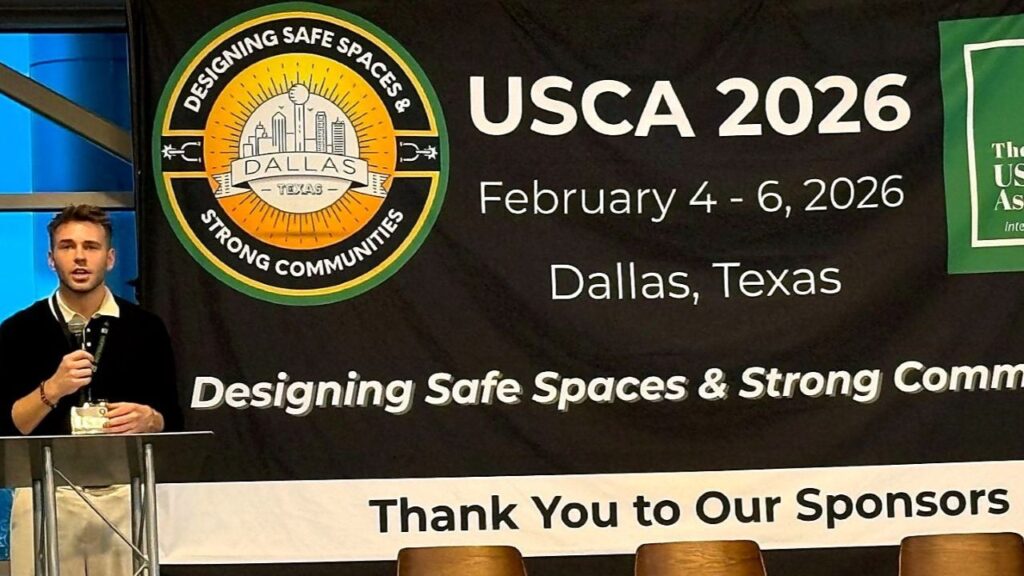
JH: We are still relatively new to SIA membership, but we have already appreciated the opportunity to attend ISC West, connect with professionals across the security industry and begin building relationships with organizations interested in the intersection of CPTED, environmental design and security technology.
Over the next year, we are looking forward to becoming more involved in SIA events, educational discussions, and broader industry conversations. We will be attending both ISC East and ISC West, we participated in Perimeter PREVENT and I recently joined the SIA Perimeter Security Subcommittee.
We are especially interested in opportunities that encourage collaboration between security professionals, designers, planners, educators and other disciplines that influence how environments function and how people experience safety within them. We also hope to continue expanding awareness of CPTED within the security industry and contribute to conversations around proactive, human-centered approaches to safety, security and resiliency. One of the things we have appreciated most so far is how welcoming and open the industry has been to conversations around how CPTED, security, technology and environmental design can work together to create safer and more resilient environments.
The views and opinions expressed in guest posts and/or profiles are those of the authors or sources and do not necessarily reflect the official policy or position of the Security Industry Association.
 Back to Top