
Drones Over Critical Infrastructure: A Growing Blind Spot for Utilities
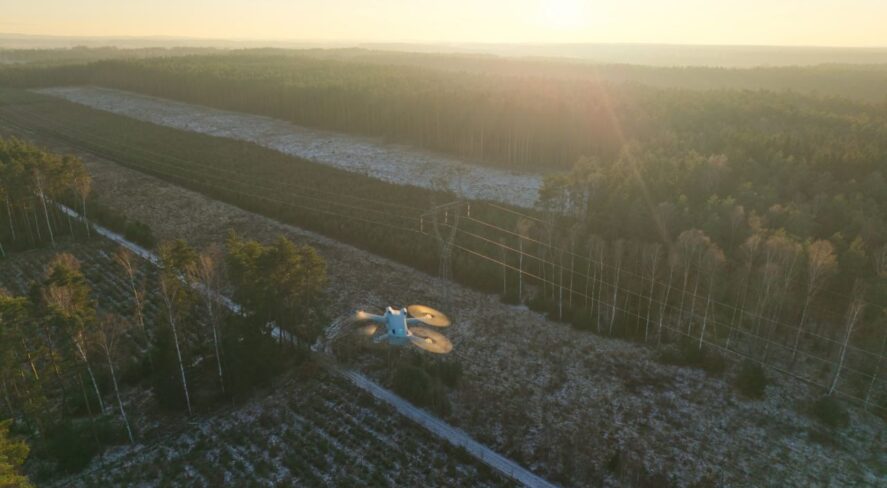

Unauthorized drone activity around substations, generation sites, and transmission corridors has moved from rare curiosity to routine occurrence. Utilities across the sector are reporting more frequent sightings near critical assets, some benign (hobbyists, photographers), others clearly reconnaissance or targeting behavior.
Most sites still have no way to detect, classify or respond to this activity; radar and camera systems built for ground-based intrusion weren’t designed to see what’s overhead.
At the same time, the regulatory landscape is shifting. A proposed Federal Aviation Administration rule (Docket No. FAA-2026-4558) would let critical infrastructure operators apply for designated drone no-fly zones. For utilities, this could be a meaningful tool: it gives sites a legal basis to restrict airspace over sensitive infrastructure, but only if they can first detect what’s flying there to justify and enforce it.
The lesson we’re seeing across early adopters: airspace awareness needs to be treated as its own security layer, not an add-on to existing physical security. Detection is the prerequisite, and everything else, including new regulatory tools, depends on it.
The views and opinions expressed in guest posts and/or profiles are those of the authors or sources and do not necessarily reflect the official policy or position of the Security Industry Association.
This article originally appeared in the Utility Brief, a newsletter presented by the SIA Utilities Advisory Board.
 Back to Top