
SIA New Member Profile: RealSense

New Security Industry Association (SIA) member RealSense creates advanced computer vision technology that helps machines see, understand and interact with the world. The company is headquartered in Cupertino, California, and has a global footprint through manufacturing, distribution and original equipment manufacturer partners across North America, Europe, the Middle East, Africa, the Asia-Pacific region and Latin America.
SIA spoke with Allen Ganz, head of sales and strategy, RealSense ID, about the company, the security industry and working with SIA.
Tell us the story of your company.
Allen Ganz: RealSense’s roots trace back to Intel’s pioneering work in visual and depth-sensing technology, where the original team pushed the boundaries of 3D perception, artificial intelligence (AI) and embedded vision for robotics, AR/VR and computer vision applications. Over time, that work expanded from helping machines see the world to helping them understand and interact with it safely.
In July 2025, RealSense officially spun out from Intel as an independent company, backed by $50 million in Series A funding from Intel Capital, the MediaTek Innovation Fund and other strategic investors. This independence gives RealSense the agility to scale its innovations in biometrics, robotics and computer vision under one unified strategic vision.
Headquartered in Cupertino, California, RealSense serves more than 3,000 customers worldwide and has shipped over 3 million depth cameras that power autonomous mobile robots, humanoids, health care systems, industrial automation and assistive devices.
The company’s focus on physical AI, the intersection of embodied perception, on-device intelligence and human-centric safety, has made it the visual cortex for machines that perceive, reason and act in the real world.
RealSense’s evolution into the security and access control industry was a natural extension of its leadership in 3D sensing and AI. The same technologies that let robots navigate dynamic environments are now used to securely and ethically authenticate people. With the launch of RealSense ID F450 and F455, RealSense applied its core expertise in vision and intelligence to create privacy-first facial authentication systems for enterprise access control—earning SIA New Products and Solutions (NPS) Awards in both the Biometrics and Mobile Solutions categories in 2024 and 2025.
What solutions/services does your business offer in the security industry? And what makes your offerings or your company unique?
AG: In the access control/security domain, our flagship offerings are RealSense ID F450 and RealSense ID F455 (facial authentication modules / systems). These are engineered for enterprise access control, with privacy, security and performance baked in.
Some differentiators and capabilities:
- On-device, encrypted authentication—We don’t require cloud-based facial matching; computations and template storage can remain local, reducing exposure and privacy risk.
- Edge first/low latency—Our architecture emphasizes high-speed inference close to the sensor, minimizing lag at access points.
- Depth + AI liveness detection—By combining active stereo depth sensing with neural networks, we mitigate spoofing, mask attacks, replay attacks, etc.
- Accuracy, security and robustness—We aim for false acceptance rates in the one-in-a-million class and spoof acceptance well below 0.1%, even under challenging lighting or environmental conditions (per benchmarks in our white paper).
- Ethical deployment framework—Our white paper, “The Ethical Application of Facial Authentication in Enterprise Access Control,” provides a guide to deploying facial authentication in Western markets (North America, EU) while balancing compliance, privacy, transparency, consent and user autonomy.
- Modular and integrable—We design our solutions to slot into existing physical access control systems (PACS), building on credential infrastructure, security protocols and hybrid modes (e.g., fallback to card, mobile credential or PIN).
- Adaptable path to adoption— We support both one-to-one matching (template localized) and one-to-many matching (database mode) depending on customer risk, throughput and privacy posture.
In short: by combining depth sensing, AI, privacy-first architecture and enterprise-grade system integration, we believe RealSense offers a compelling and differentiated facial authentication solution for access control.

What is something we might not know about your company—or something new you are doing in security?
AG: A few highlights:
- As part of our spin-out, we’re aggressively expanding our AI/biometrics roadmap, investing in next-gen neural models, antispoofing research and hardware–software co-design optimization.
- We are deployed in the largest airport in Europe and in ATMs globally
- We are building partnerships with integrators and PACS providers (i.e., Ones Technology) to integrate RealSense ID modules directly into doors, turnstiles, gates and vehicle access systems.
- We’re exploring hybrid biometric systems (e.g. combining face + depth + gait) for layered security in high-risk environments (data centers, labs, governmental facilities).
- We are actively contributing to standards forums and biometric ethics groups to encourage best practices, transparency and interoperability.
- In robotics and automation domains, our depth vision business feeds cross-pollination: new sensor advancements in robotics benefit the access control side and vice versa.

What is your company’s vision, and what are your goals for the security industry?
AG: Our vision is make biometric facial authentication a secure, ethical, and reliable foundation for identity verification in physical security—enabling access to be frictionless, fast and privacy protective. We envision a future where “who you are” becomes the first-class credential in enterprise settings, with more trust and less friction than cards or PINs.
Our goals for the security industry are to:
- Accelerate adoption of biometric access control in enterprise environments, including data centers, corporate campuses, labs, health care and financial institutions
- Raise the bar on responsible biometric deployment, privacy, transparency, consent and bias mitigation, so that trust outpaces fear
- Enable standards, interoperability and certification so that facial authentication becomes a mainstream, trusted modality in PACS
- Drive continued innovation in liveness, spoof resilience, edge inference, hybrid models and system usability
What do you think are the biggest opportunities in the security industry right now?
AG:
- Biometric modernization in enterprise access—Many existing access control systems still rely on cards, PINs or legacy biometrics. There is a large retrofit and upgrade opportunity.
- Edge AI and compute improvements—As AI models become more efficient and edge processors become more capable, the performance/price trade-off for biometric modules becomes more favorable.
- Multimodal authentication—Combining face + depth + other behavioral cues opens new security modes and risk adaptation.
- Trust and privacy as differentiators—Companies that visibly invest in privacy, consent, transparency and bias mitigation can win trust and adoption over less ethical competitors.
- Regulated environments—Sectors like finance, health care, data centers, defense and critical infrastructure are under increasing pressure for stronger identity assurance—a strong tailwind for biometric access control.
What are your predictions for the security industry in the short and long term?
AG: Short term (1–3 years):
- We’ll see expanded pilots of facial authentication across enterprise campuses, especially where legacy credential systems are aging.
- Adoption of “credential-less” and frictionless access will accelerate in high-density settings (e.g., labs, control rooms) where speed and hygiene matter.
- Biometric regulations and privacy scrutiny will become more prominent, pushing vendors and integrators to be more rigorous in compliance.
- Consolidation or partnerships may occur between biometric vendors, PACS providers and identity management firms.
Long term (5+ years):
- Biometric identity (face + multimodal) may become a default credential—you walk up, you’re verified securely.
- Physical and digital identity systems will converge more deeply (verifiable identities bridging both worlds).
- Adaptive, risk-based biometric systems will be commonplace (requiring more factors under higher suspicion).
- Standardization, certification and trust frameworks will mature, reducing fragmentation and risk.
- The security industry may evolve toward identity-first systems where credential issuance (cards, tokens) becomes fading legacy.
What are the biggest challenges facing your company and/or others in the security industry?
AG:
- Regulatory and legal uncertainty—Biometric laws vary by region and are evolving rapidly; staying ahead of compliance is nontrivial.
- Public perception and trust—Misuse stories and fear of “surveillance” can slow adoption; communicating transparency and ethics is essential.
- Bias, fairness and algorithmic equity—Ensuring the system works equally well across demographics is an ongoing technical and data challenge.
- Integration with existing infrastructure—Many enterprises have legacy access control ecosystems; seamless integration or migration is complex.
- Cost vs. scale trade-offs—While edge compute is improving, cost sensitivity remains for customers seeking mass deployment.
- Security of biometric templates/data risks—Even non-image templates must be protected; any breach could erode trust heavily.
- Market competition and differentiation—Many players are entering facial biometrics; maintaining technical leadership is key.
What do you enjoy most about being at your company—and in the security industry?
AG: I personally find it rewarding to help shift how we think of identity in physical spaces—bridging AI, perception and security. The excitement of working at the frontier (vision, biometrics, ethics) is powerful. In the security industry, I love that every deployment touches people’s lives and trust—we aren’t just selling tech, we’re shaping how organizations protect users, employees and assets in a responsible way.
What does SIA offer that is most important to you/your company? And what do you most hope to get out of your membership with SIA?
AG: SIA offers credibility, visibility and connection to the core security ecosystem — integrators, specifiers, consultants, end users, policymakers and thought leaders. Being part of SIA signals that we are committed to industry standards, ethics and collaboration.
Through SIA, we hope to:
- Showcase RealSense and our facial authentication offerings to the security community (e.g., via the NPS program, trade shows and publications)
- Participate in security industry dialogues, committees, standards development and regulation shaping
- Build relationships and partnerships with integrators, manufacturers, specification firms and end users
- Stay abreast of trends, best practices and shifts in standards or regulatory environments
How does your organization engage with SIA? What are your plans for involvement in the next year?
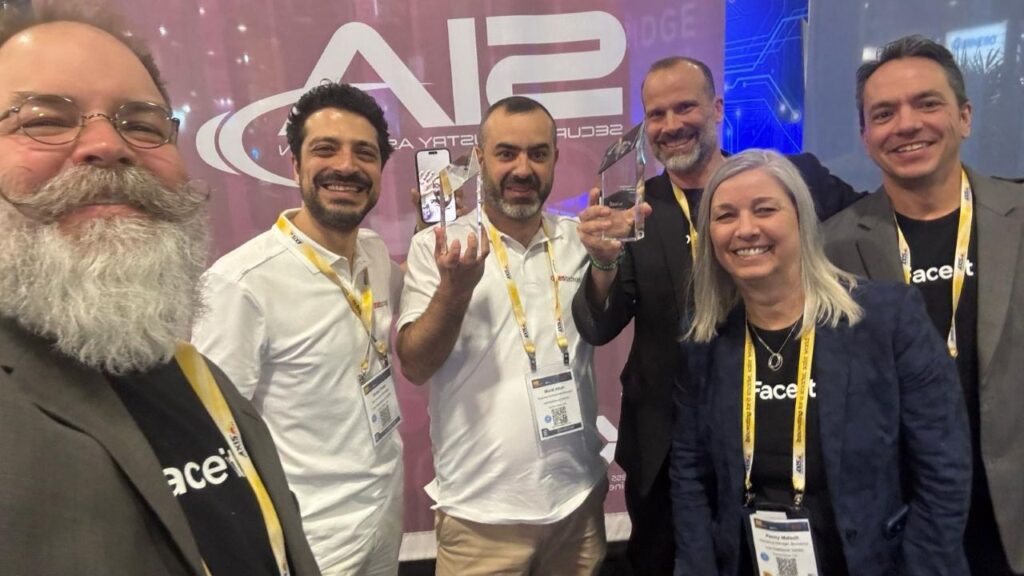
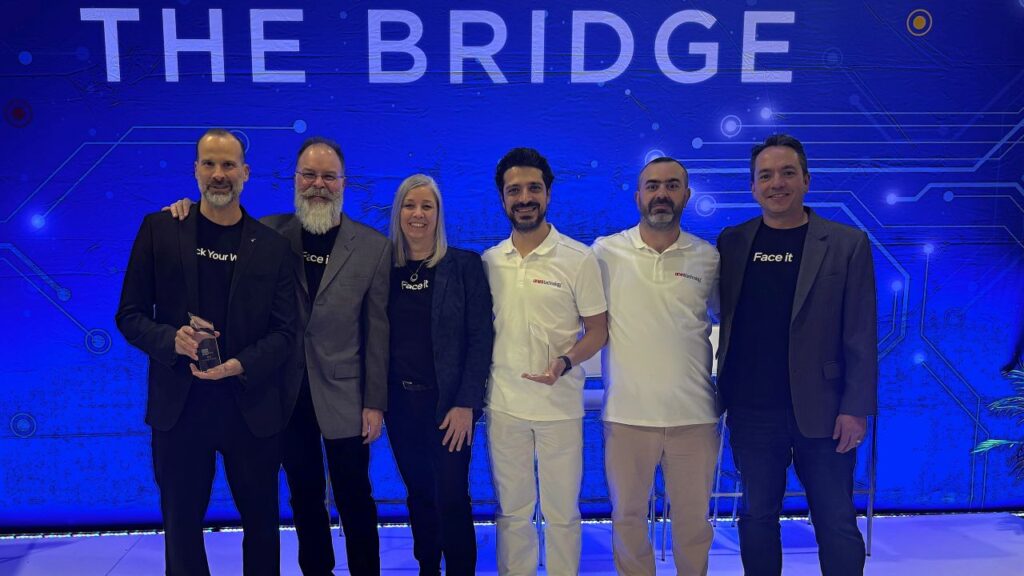
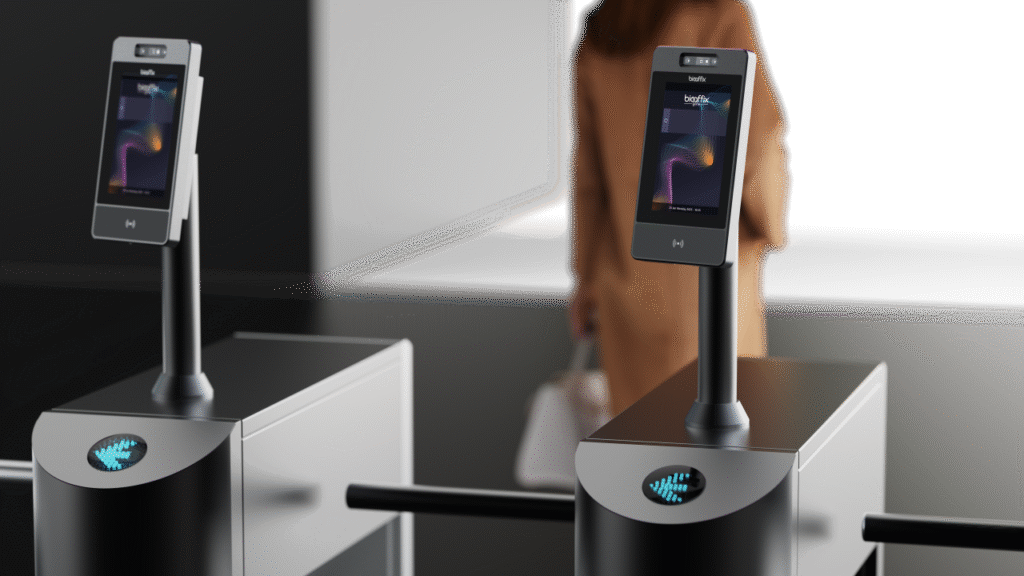
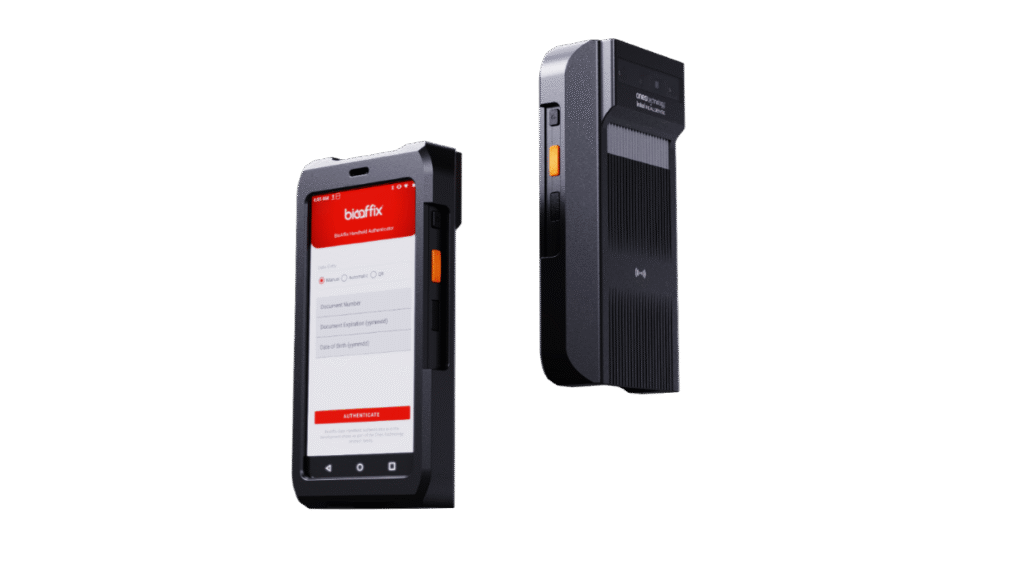
AG: We intend to continue entering the SIA NPS Awards (for example, we recently won in the biometrics and mobile categories for BioAffix Gate Vision and BioAffix Mobile Gate Vision powered by RealSense ID F450 in 2025). We anticipate exhibiting and speaking at ISC West, ISC East, and other SIA-affiliated conferences. We plan to engage with SIA committees, working groups, and standards initiatives around biometrics, access control and identity. We’ll leverage SIA’s channels (newsletters, securityindustry.org, webinars) to contribute thought leadership—e.g., publishing articles or webinars about ethical biometric practice. We hope to collaborate with other SIA members on joint pilots, interoperability, integration and standards work.
The views and opinions expressed in guest posts and/or profiles are those of the authors or sources and do not necessarily reflect the official policy or position of the Security Industry Association.
 Back to Top