
3D Grid Security: Actions Available Now and Upcoming FAA Protections
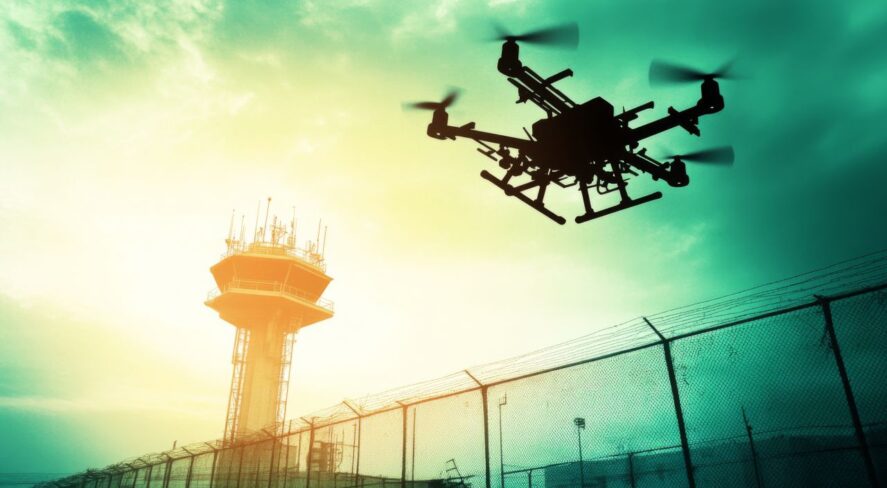
Traditional fences stop at the property line—drones fly right over them.
While airspace is federal territory, local law enforcement governs the ground—giving you immediate power to interdict pilots using state or local statutes.
What You Can Do Now

While utilities generally cannot prohibit lawful drone transit through regulated airspace, drone pilots may still be subject to state and local laws—including critical infrastructure protection statutes and other public-safety provisions—restricting unauthorized surveillance, recording, harassment or operations near critical infrastructure.
To interdict or prosecute someone after an incident you need forensic data including drone serial numbers, altitude and pilot GPS.
What’s Coming Next
The Federal Aviation Administration’s (FAA’s) proposed Section 2209 rules will soon bring federally mandated flight restrictions to critical infrastructure sites. Just as importantly, 2209 brings severe financial and criminal penalties against violating drone pilots. Deploying remote ID receiving technology is a prerequisite to qualify for these upcoming federal protections.
Read the full playbook from AeroDefense here.
The views and opinions expressed in guest posts and/or profiles are those of the authors or sources and do not necessarily reflect the official policy or position of the Security Industry Association.
This article originally appeared in the Utility Brief, a newsletter presented by the SIA Utilities Advisory Board.
 Back to Top