
Protected: Helping Utilities Stop Copper Theft Before It Happens With AI‑Enabled Security Solutions
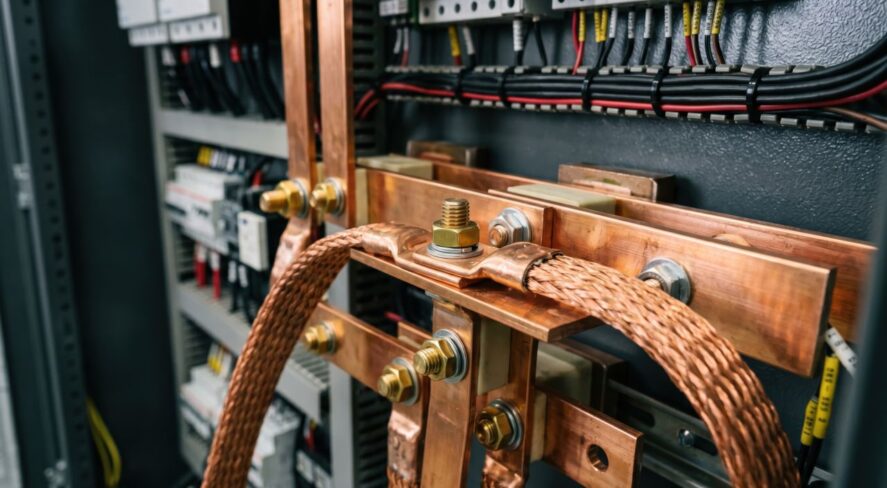

Copper theft is one of the most disruptive and costly security challenges for utilities and oil and gas operators. It’s estimated that U.S. utilities lose nearly $920 million annually due to copper theft, according to The Insurance Information Institute.
Across Europe, Asia Pacific, the Middle East and Latin America, many countries cite oil siphoning and copper stealing as the most common theft categories affecting substations and remote utility assets.
For operators, the potential consequences of cooper theft extend well beyond material costs, as it can cause:

- Serious operational problems, like power outages and equipment failures
- Environmental and/or safety hazards
- Millions of dollars lost in repairs and downtime
Also, depending on the severity of the incident, a utility’s brand reputation can suffer, with executive and operational leadership being subjected to elevated scrutiny from various stakeholders, including consumers, government officials and investors.
Why is copper theft such an issue for utilities?
There are many reasons why copper is so attractive for thieves.
- Prices are at an all-time high and continue to set new records.
- Global demand continues to soar as scrap buyers often pay cash with little verification, making copper a reliable revenue stream for opportunistic thieves and organized groups.
- It is one of the most widely used industrial metals on the planet and helps power modern electrical infrastructure.
- It is hard to trace and often easy to steal—theft from lightly guarded facilities, such as oil and gas sites, and power substations, only requires basic tools.
To counter these challenges and reduce copper loss rates, operators need to invest in intelligent, proactive and automated artificial intelligence-enabled security systems.
Amplify deterrence with visible security solutions
Copper thieves love remote, dark, lightly guarded facilities, with minimal security obstacles.
That’s why it’s essential to have highly visible AI-enabled cameras to serve as a first-level deterrent for potential thieves.
Combining smart cameras with motion-activated lighting and intelligent audio, can provide a more comprehensive security posture that is proactive and predictive and turns vulnerable remote sites into actively monitored environments.
Cameras should be strategically placed to cover all entry points, fence lines, and areas where copper is accessible, such as grounding grids, transformers and cable trays. Proper placement is also critical, with elevated camera mounting points helping to minimize tampering while broadening overall visibility.
The importance of real-time awareness
AI-powered cameras with advanced analytics enable operators to detect intrusions at their earliest warning signs, verify threats in real time and respond before any damage occurs.
If an incident does happen, the advanced analytic and high-resolution imagery can help speed up forensic search and support faster investigations that increase the likelihood of arresting the guilty parties.
From an efficiency standpoint, cameras should accurately differentiate between people, vehicles, animals, trees and environmental movements, which helps in reducing false alarms, one of the main challenges of effective remote-site security. This ensures that security teams receive alerts only for genuine threats, such as when someone enters a restricted area.
Recommended camera types include: AI-powered thermal cameras, advanced multi-sensor and PTZ cameras, high-resolution bullet cameras, and low-light cameras. These cameras can:
- Simplify remote monitoring across distributed infrastructure: Utilities and oil and gas operators frequently manage extensive networks, spanning thousands of miles. Companies should centralize monitoring of remote locations from anywhere.
- Protect against cyber-physical threats using secure-by-design architecture: Copper theft isn’t always just a physical smash-and-grab effort. Criminal groups may attempt to disable cameras or exploit unsecured networks.
Creating a smarter, safer future
Copper theft isn’t going away any time soon. But with AI‑enabled security solutions, operators can shift from reactive cleanup to proactive and predictive prevention.
Combining advanced analytics, real‑time detection, thermal imaging and cybersecure architecture in your companies security solutions gives utilities and oil and gas operators the tools they need to protect their assets, reduce losses, and keep their operations running reliably without interruption.
The views and opinions expressed in guest posts and/or profiles are those of the authors or sources and do not necessarily reflect the official policy or position of the Security Industry Association.
This content is adapted from an article originally published in Energy, Oil & Gas Magazine. This article also appeared in the Utility Brief, a newsletter presented by the SIA Utilities Advisory Board.
 Back to Top