

The Cybersecurity Imperative: Key Findings E-book
Released as part of The Cybersecurity Imperative, a benchmarking study of the cybersecurity practices and Initiatives of global organizations, this e-book summarizes key findings, essential data points and vital takeaways.
Keep Reading »
ASIS-SIA Security Industry Career Pathways Guide for Practitioners and Suppliers
ASIS International (ASIS) and the Security Industry Association (SIA)’s new career guide, “Security Industry Career Pathways Guide,” provides an insightful and detailed look into what a career in the security profession looks like in today’s market.
Keep Reading »
SIA Technology Insights – Fall 2018
In every issue of SIA Technology Insights, we try to look to the cutting edge (and sometimes even to the bleeding edge) of security technology, to ensure you stay current with the steady whir of technology change. In that spirit, we start this issue off with two technologies – social media and facial recognition – that are seeing great adoption in the consumer space and poised to be adopted for security and safety applications.
Keep Reading »
General Data Protection Regulation Fact Sheet 2: Operational Privacy
This resource, as part of SIA’s GDPR guidance, shares an overview of operational privacy for security services, key GDPR terms and helpful resources.
Keep Reading »
General Data Protection Regulation Fact Sheet 1
The Security Industry Association shares General Data Protection Regulation (GDPR) guidelines, questions and answers and resources for security companies.
Keep Reading »
Market Spotlight: Extending the Capabilities of Human Security Officers With Modern Robotics
In this market spotlight report, research firm IDC presents a custom market conditions report on the use and forecast use of robotic technology for use in the security environment as a tool to augment human workers.
Keep Reading »
Update on Video Surveillance Procurement Provisions in 2019 Defense Bill (Sec. 889)
This update follows a July 2018 communication to SIA members on a provision under consideration as part of the annual defense bill (National Defense Authorization Act, “NDAA”) that would restrict federal procurement of products and services involving video surveillance, telecommunications and radio communications equipment produced by certain Chinese firms.
Keep Reading »
Comments on Latest Proposed Tariffs on Chinese Goods Under Section 301 of the Trade Act
SIA filed comments with the U.S. Trade Representative expressing concerns with the latest series of tariffs proposed by the Trump administration. SIA’s comments detail member concerns surrounding the impact on the security industry from the latest proposal to impose up to 25 percent in additional tariffs on approximately $200 billion in goods imported from China, targeting a number of key security products that are widely imported.
Keep Reading »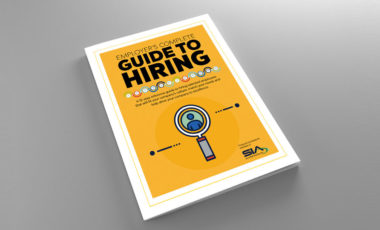
Employer’s Complete Guide to Hiring
Produced exclusively for the Security Industry Association (SIA) as a benefit to association members, this reference guide to hiring employees covers the entire hiring process, from identifying the correct cultural fit to interviews, job offers and negotiations, and even includes bonus material about onboarding and best managing an employee’s first 90 days. Written as a tutorial and augmented with extensive indexes, this report provides a step-by-step guide to help your company make better hiring decisions based on your specific needs.
Resource available at: https://www.securityindustry.org/hiring-guide/
Keep Reading »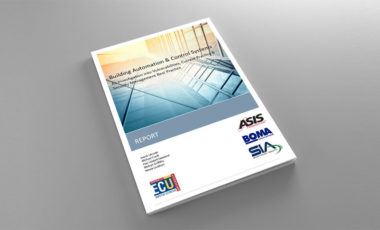
Intelligent Building Management Systems Report on Building Automation and Control Systems
Co-presented by the ASIS Foundation, BOMA International (BOMA) and the Security Industry Association (SIA), these report and research materials provide groundbreaking, first-of-its-kind guidance for practitioners in the security and building management fields. Intelligent Building Management Systems: Guidance for Protecting Organizations provides a framework to help decision-makers assign a risk-based criticality or impact to their building and asks relevant security questions to develop appropriate mitigation strategies. It also serves to establish a common language between the many intelligent building stakeholders.
Keep Reading » Back to Top